
Where AND when to see yellowstone wildlife.
Wildlife In brief.
The Lamar Valley and the Hayden Valley at dawn and dusk are the places to see bison, elk, bears and wolves in Yellowstone, and Mammoth Hot Springs is where the elk come to you, especially in fall. Bears are easiest to spot from the road in April and May and again in September and October. Wolves are best in winter in the Lamar, when they hunt in the open and stand out against snow. Bison are everywhere all year; their calves arrive in late April and May and their rut runs from late July through August. Bring binoculars, because the animals are usually far away, which is as it should be: park regulations require 100 yards from bears, wolves and cougars and 25 yards from everything else.
This page is one part of our full Yellowstone guide. It is about finding animals: which valley, which month, which hour of the day. How to stay safe around them, what to do if a bear charges, and how to carry bear spray are on a separate page, Bear and Wildlife Safety in Yellowstone, and the distance rules in the next section are the short version of it. The seasons page has the month-by-month picture if you are still choosing when to come.
The rules, in one paragraph.
Park regulations require you to stay at least 100 yards from bears, wolves and cougars and at least 25 yards from every other large animal. If an animal moves toward you, you move away to keep the distance; the obligation is yours, not the animal's. Twenty-five yards is about the length of two school buses. A hundred yards is a football field. The park's own advice is that binoculars and a telephoto lens will always give you a better look than walking closer would, and a spotting scope is how you'll see most of what the Lamar Valley has to offer. Feeding any animal in the park is illegal. Everything else about safety is on the bear and wildlife safety page.
What lives here
The park is home to 67 species of mammals, including seven native hoofed animals (bison, elk, moose, mule deer, white-tailed deer, pronghorn and bighorn sheep; mountain goats are present but not native) and both grizzly and black bears. About 330 species of birds have been recorded. Sixteen species of fish live in the park's waters, five of them introduced. Two of those populations carry a history worth knowing before you look for them. Yellowstone is the only place in the United States where bison have lived continuously since prehistoric times; by 1902 poachers had reduced the herd to about two dozen animals, and the 2025 population estimate was nearly 5,300. And wolves, killed off in the park by the 1920s, were brought back in January 1995, when fourteen captured in Alberta were released on the northern range, with seventeen more from British Columbia the next year. The wolves people watch from the Lamar Valley pullouts today are their descendants.
The two valleys, and the hours that matter
Most of the park's roadside wildlife watching happens in two open valleys on opposite ends of the Grand Loop. The Lamar Valley, east of Tower Junction on the road to the Northeast Entrance, is the stretch people come from other continents to drive, and the reason is the open view: bison herds, pronghorn, and in the right season wolves and bears, all visible from pullouts. The Hayden Valley, between Canyon and Fishing Bridge on the lower loop, is its counterpart: open, full of bison, and good for bears along the river in spring and early summer.
In both, the first and last hours of daylight are the ones that count. Animals are more active then, and in summer the famous places are nearly empty at seven in the morning and after six at night. Go slowly, use the pullouts rather than the road, and pull completely off the pavement before you stop. On the Lamar, the pullouts between Pebble Creek and Slough Creek are where the park's wolf watchers set up with scopes, and they're usually glad to point one at something.
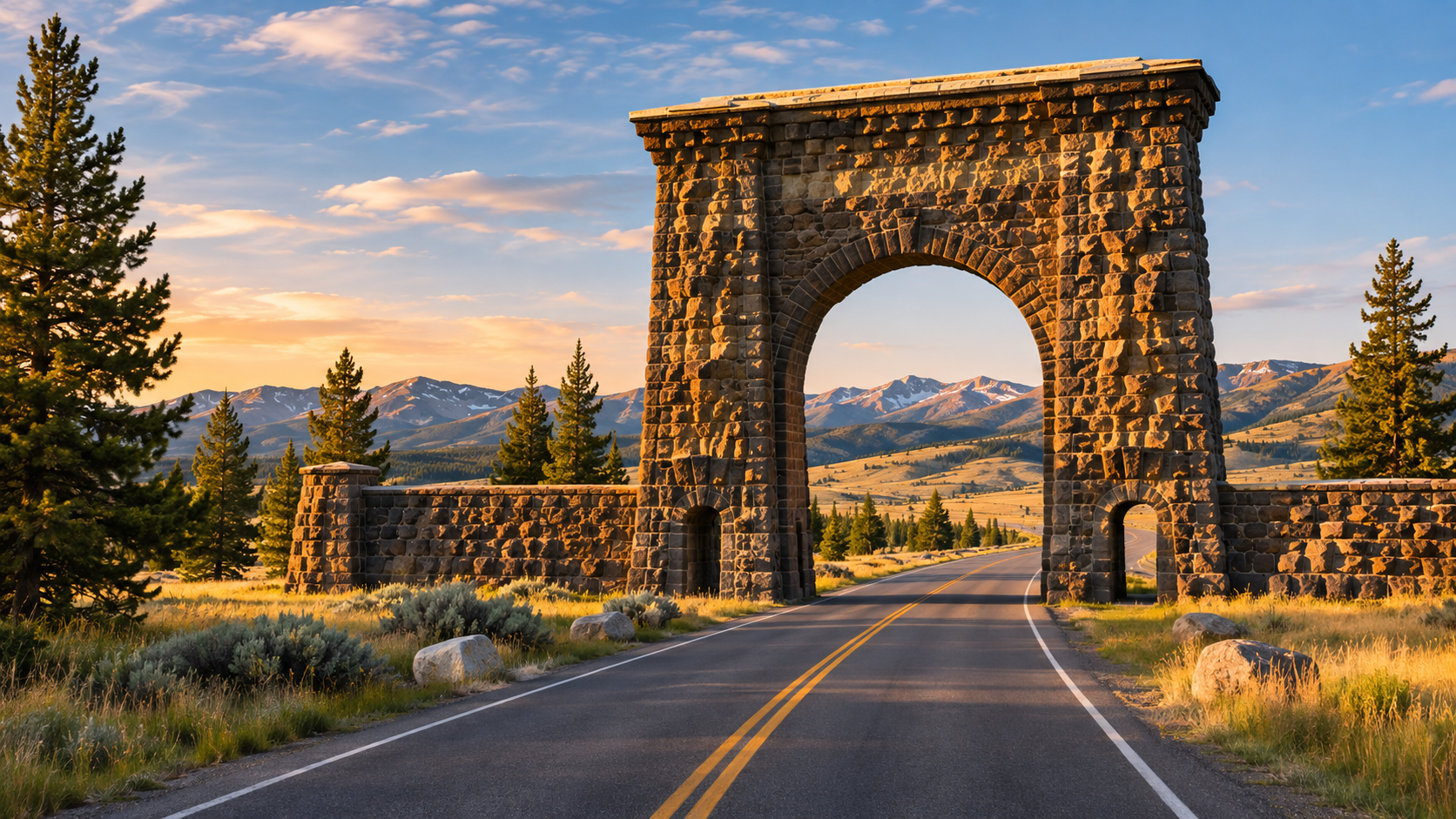
The road from the North Entrance through Mammoth and the Lamar to Cooke City is the one the park keeps open to cars all year, which makes the Lamar the only one of the two valleys you can drive to in winter. For a visitor from Bozeman that is the winter park: an hour and a half to the arch, then a plowed road through what the park's handbook calls "one of the best places in the world to watch wolves."
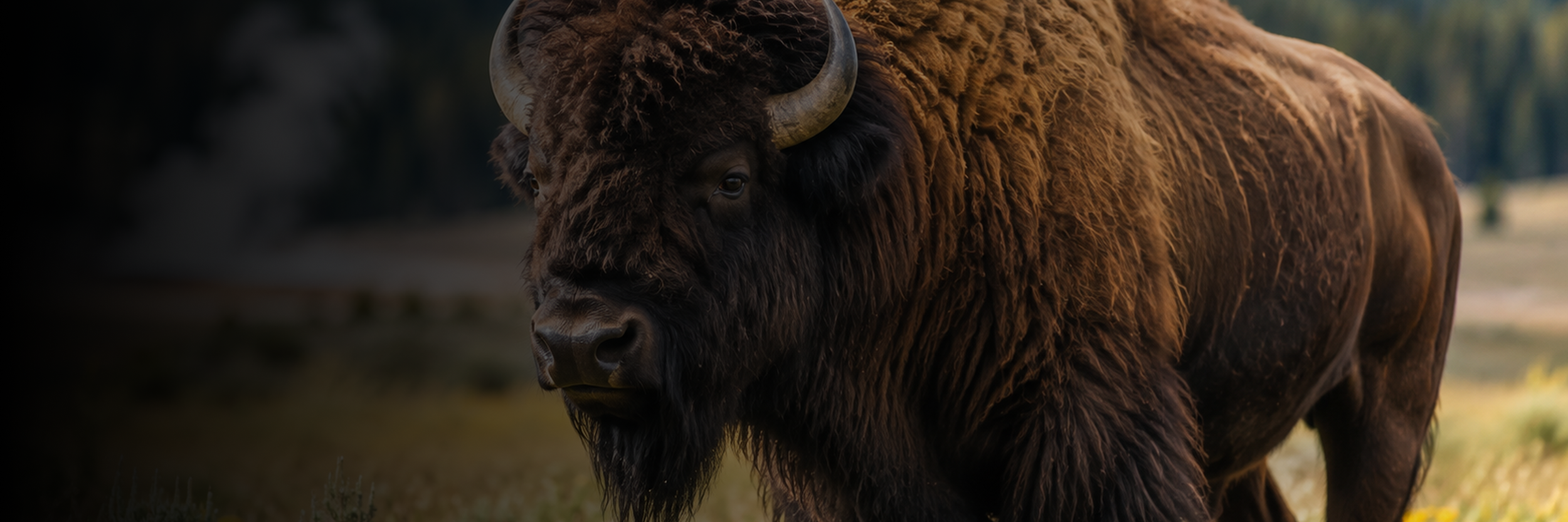
Bison
Where: everywhere, all year. The Lamar and Hayden valleys hold the big herds, and bison use the pavement itself, so traffic jams behind a herd are a normal part of a Yellowstone day. Stay in the car when they're close, drive slowly, don't honk, and wait for them to move.
When: calves appear in late April and May. The rut, from late July through August in the Lamar and Hayden valleys, is loud, dusty and well worth watching from a distance; it is also when bulls are most unpredictable. In winter, bison move down to the northern range along the year-round road.
How far: 25 yards, and the park's instruction if one walks toward you is to go the other way. A bull weighs up to a ton and can run three times faster than a person, and bison have injured more people in Yellowstone than any other animal, nearly always because someone approached too closely. The park's rule of thumb is never to approach a bison for a photo.
Elk
Where: Mammoth Hot Springs, where the herd wanders through the lawns in fall and cows often hide their calves beside cars and buildings in late spring. The meadows along the Madison River near the West Entrance, the Beaver Ponds Trail above Mammoth in spring, and the northern range in winter.
When: the fall rut, from late August or early September into October, is one of the great wildlife spectacles in the park. Bull elk bugle and spar at Mammoth, sometimes in the middle of the developed area, and the park's Seasons page lists Grant Village as well. Calves arrive in May, and cows are at their most protective from May into early July.
How far: 25 yards, and in those two seasons it's worth doubling. Bulls in the rut have charged cars and people; cows with calves will charge anyone who comes near a calf, including people who never saw it in the grass. Stay near a vehicle or building at Mammoth in September and October.
Bears
Where: the park has both grizzly and black bears across its whole area. From the road, the low meadows and roadsides of the northern range and the Lamar in spring, the Hayden Valley along the river in spring and early summer, and the roadside meadows of the Lamar and Hayden in September. On foot, the park notes bear activity at Trout Lake, says grizzly and black bears frequent the Beaver Ponds Trail, calls Pelican Valley prime grizzly habitat, and reports that black bears are often seen on the Lost Lake loop behind Roosevelt Lodge. In fall, grizzlies feed on whitebark pine nuts on Mount Washburn and Avalanche Peak, which is why the park recommends against hiking those trails in September and October.
When: grizzlies come out of their dens in March and April and feed in the open along roads and low meadows, which makes April and May the easiest months to see a bear from a safe distance. By June they move to higher ground and are less visible from the road. They are busy again in September and October, feeding hard before denning, visible in roadside meadows in September and back at lower elevations in October.
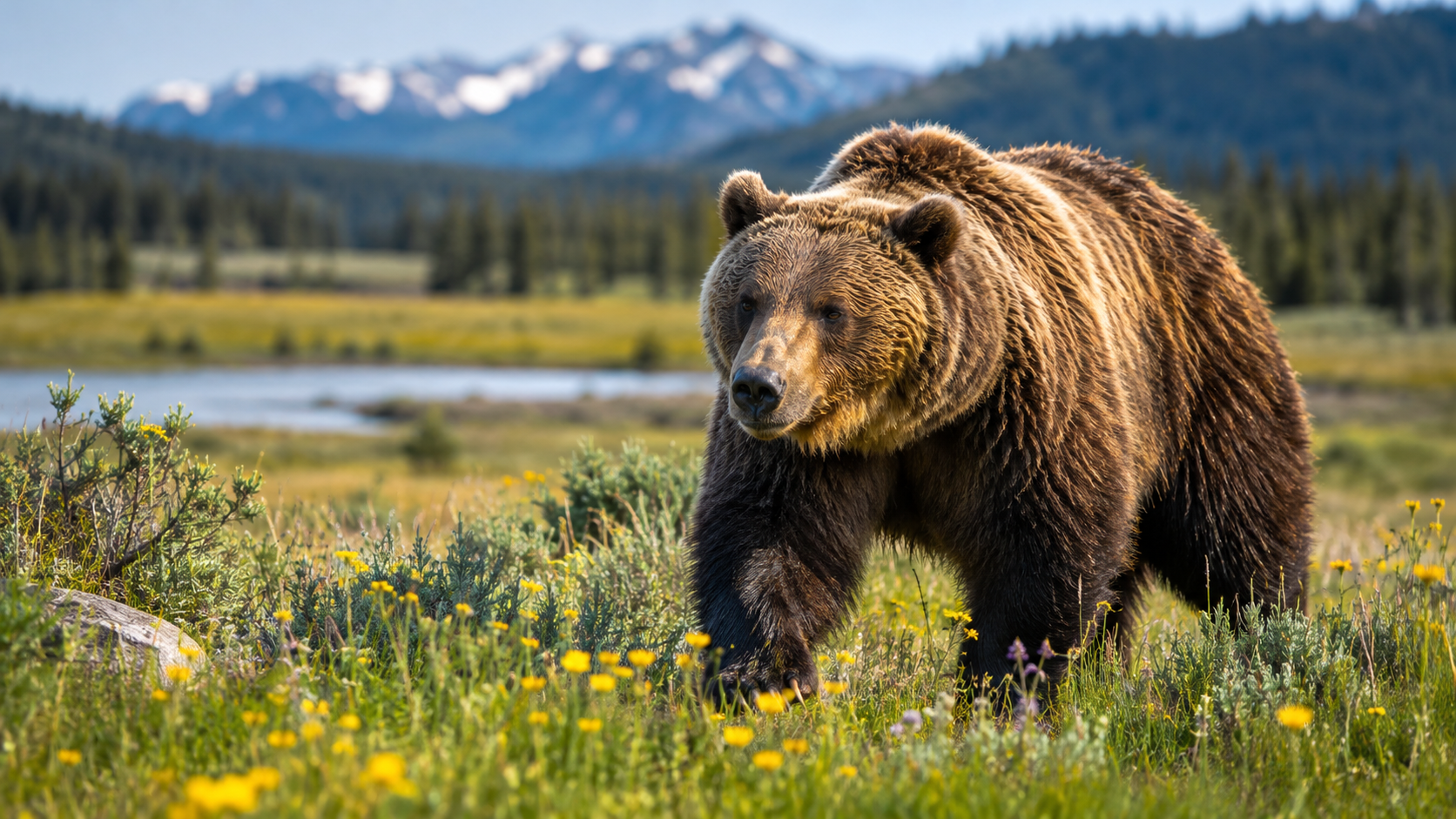
How to tell them apart: grizzlies have a shoulder hump, a dished face and long front claws; black bears have no hump, a straighter profile and shorter claws, and can be black, brown or cinnamon, so color is not a reliable guide. The park has a comparison page with photographs.
How far: 100 yards, always. Grizzlies nearly disappeared from Yellowstone in the 1970s, after the garbage dumps closed in 1970 and bears that had depended on them got into trouble around people; the population fell to an estimated 136 in 1975, the year the grizzly was listed as threatened, and the 2024 estimate for the greater Yellowstone region was 1,030. A bear that learns people mean food is a bear the park eventually has to kill, which is the reason behind every food storage rule in the park.
Wolves
Where: the Lamar Valley, from the pullouts between Pebble Creek and Slough Creek, and the northern range generally. Watch with a scope.
When: winter, above all. The park's lodging concessioner calls it the best season for wolf watching, when the packs hunt by day in the open and stand out against snow, and the park lists the Lamar Valley as the place to look from November through March. Early spring and late fall are also good. Dawn is the hour in any season.
How far: 100 yards. No wolf has injured a person in Yellowstone since their return in 1995, and the risk to visitors is close to zero. The distance rule is for the wolves: the park works hard to keep them wary of people, because a wolf that gets comfortable around people is a wolf the park ends up removing. The Yellowstone Wolf Project publishes an annual report on the population.
Moose
Where: moose are rarer in the park than people expect, fewer than 200, and the park points to marshy meadows, lakeshores and riverbanks. The park's trail page for Slough Creek says to be alert for bears and moose in the meadows above the campground.
When: no season is better than another in the park's own guidance; the young arrive in spring with the other hoofed animals.
How far: 25 yards, and give them room and an escape route. The park describes moose as unpredictable, especially cows with calves, and says they have chased people in the park.
Bighorn sheep, pronghorn and deer
Bighorn sheep are often on the summit ridge of Mount Washburn in summer, and they move down to the northern range in winter, where their rut runs in November and December. Pronghorn are a Lamar Valley animal, visible from the pullouts with the bison. Mule deer and white-tailed deer are both native. None of these is a safety concern at a distance, but all will leave if approached, which spoils it for everyone behind you. The 25-yard rule applies.
The smaller animals, and the birds
Coyotes and foxes hunt the open meadows, and in winter they are easy to see against snow along the northern road. Both become bold when fed, and feeding any animal in the park is illegal; that includes squirrels and birds. A large colony of yellow-bellied marmots lives in the rocks at Storm Point on Yellowstone Lake, an easy 2.3-mile loop. Native cutthroat trout can be watched from above at Fishing Bridge, which has been closed to fishing since 1973 to protect them while they spawn. Among the roughly 330 bird species recorded in the park, trumpeter swans nest on Riddle Lake, where the park holds the trail closed longer in years they are nesting, and the Hayden Valley sees a raptor migration in September and October. The park's lead-tackle ban exists because loons, waterfowl, cranes and shorebirds can die from ingesting lead.
A season-by-season summary
Spring, April to early June: bears along roads and low meadows in April and May; bison calves from late April; elk, moose, pronghorn and bighorn young following; elk cows protective at Mammoth from May. Summer, mid June to August: bears mostly up high; bison everywhere, with the rut from late July; bighorn on the Washburn ridge; animals active early and late, so be on the road at sunrise. Fall, September and October: the elk rut at Mammoth; bears back in roadside meadows in September and at lower elevations in October; raptors over Hayden. Winter, November to March: wolves in the Lamar; bison, elk and bighorn on the northern range; coyotes and foxes in the open; the bighorn rut in November and December. The full month-by-month picture, with roads and weather, is on the seasons page.
Questions people ask us
When is the best time to see bears? Wolves? Elk? Bison calves? Bears: April and May along the roads, and again September and October; by June they move to higher ground. Wolves: winter, especially in the Lamar Valley; also good in early spring and late fall. Elk bugling: late August or early September into October at Mammoth and Grant. Bison calves: late April and May; the bison rut is late July through August.
Where are the best places to see wildlife? The Lamar Valley and the Hayden Valley at dawn and dusk, for bison, elk, bears and wolves. Mammoth for elk, especially in fall. The northern range in winter for wolves and bighorn sheep. Bring binoculars; the animals are usually far away, which is as it should be.
Yellowstone in One Day.
Make the most of a day in the park from any entrance.
GRAND LOOP ROAD.
A section-by-section guide to the park's iconic drive.
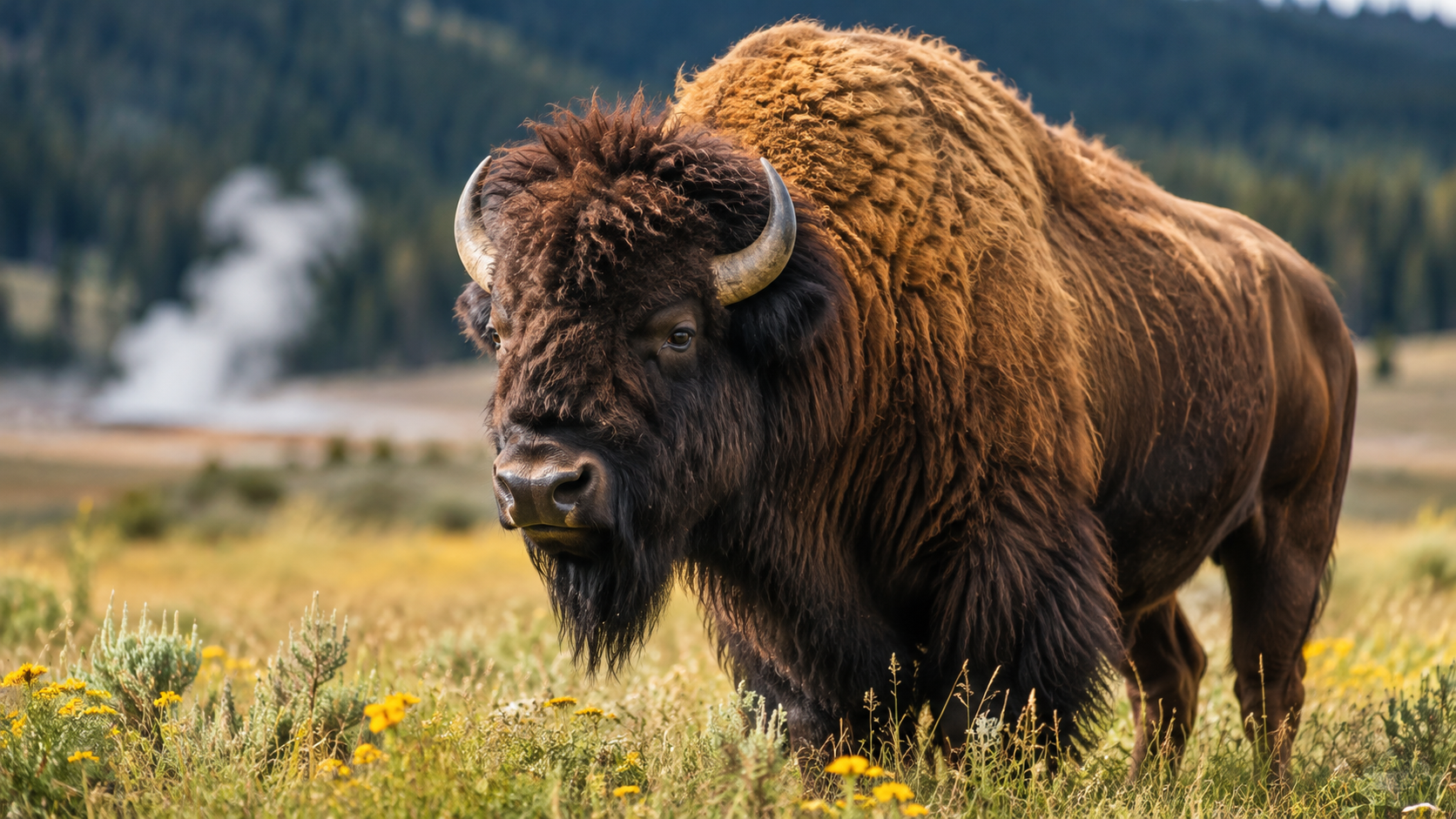
Where to see wildlife.
The best areas and times to spot Yellowstone's animals.
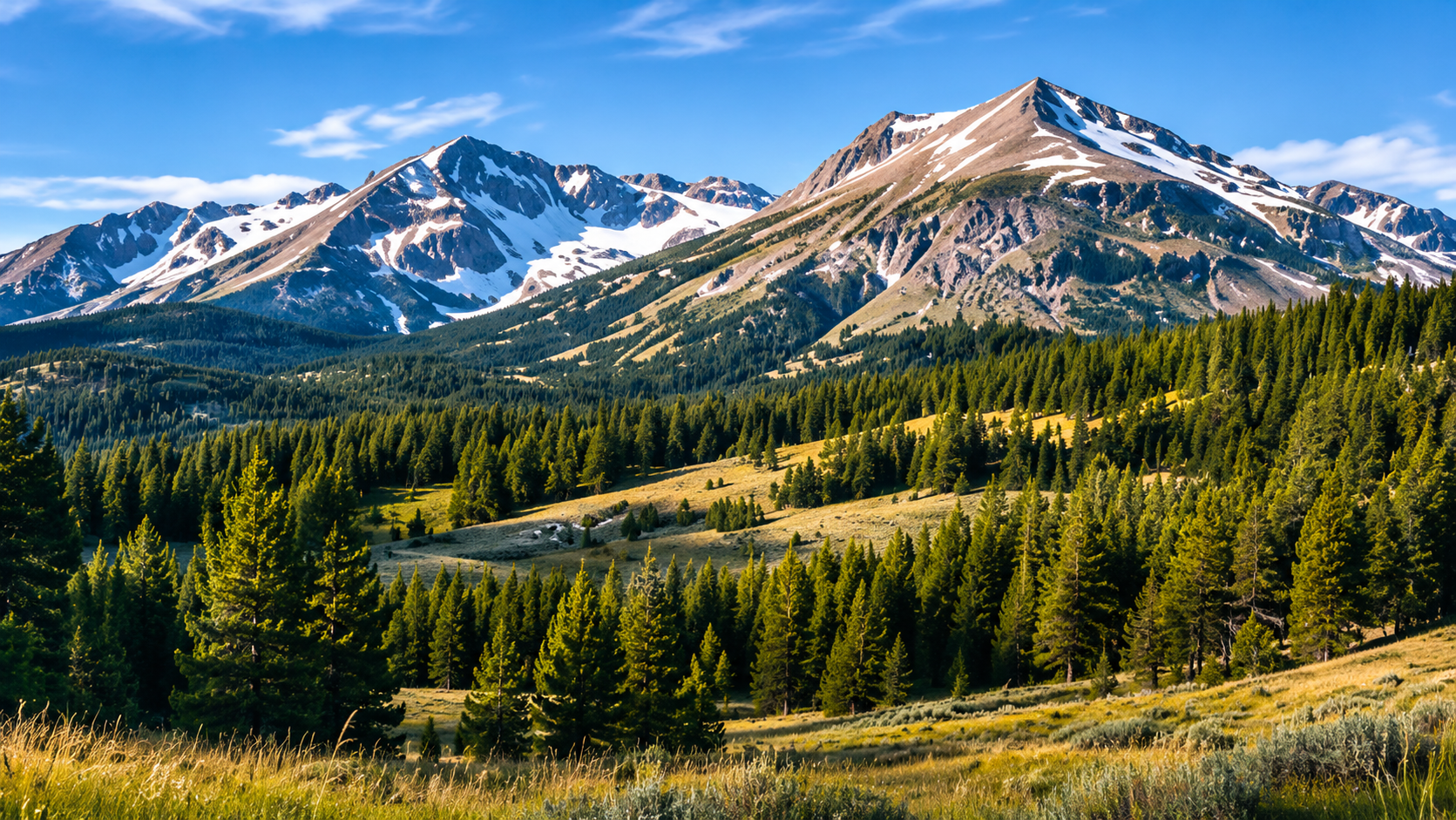
BOZEMAN to
yellowstone.
The best route, drive time, and tips for a smooth trip.
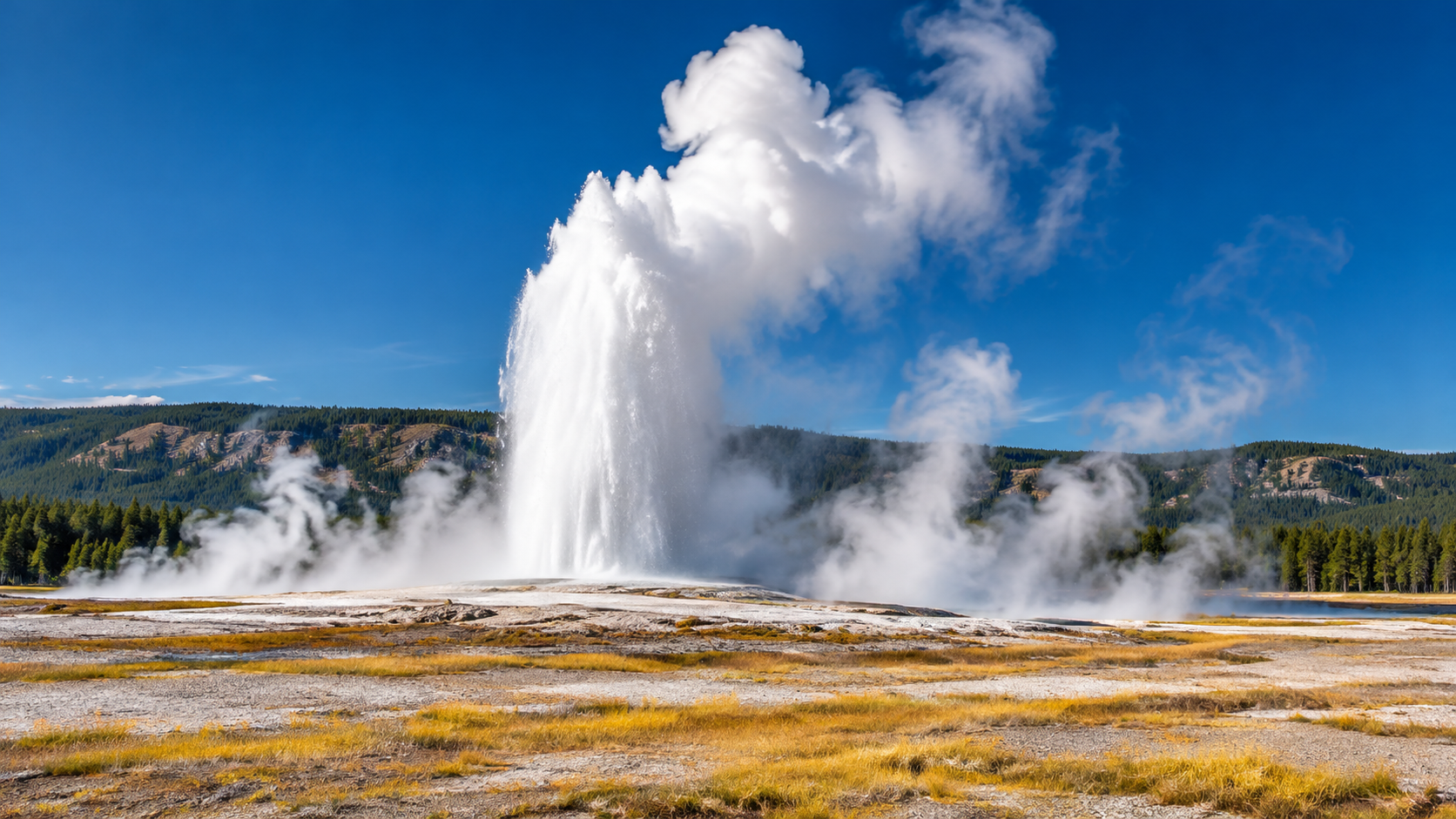
FAQs.
Answers to common Yellowstone questions.
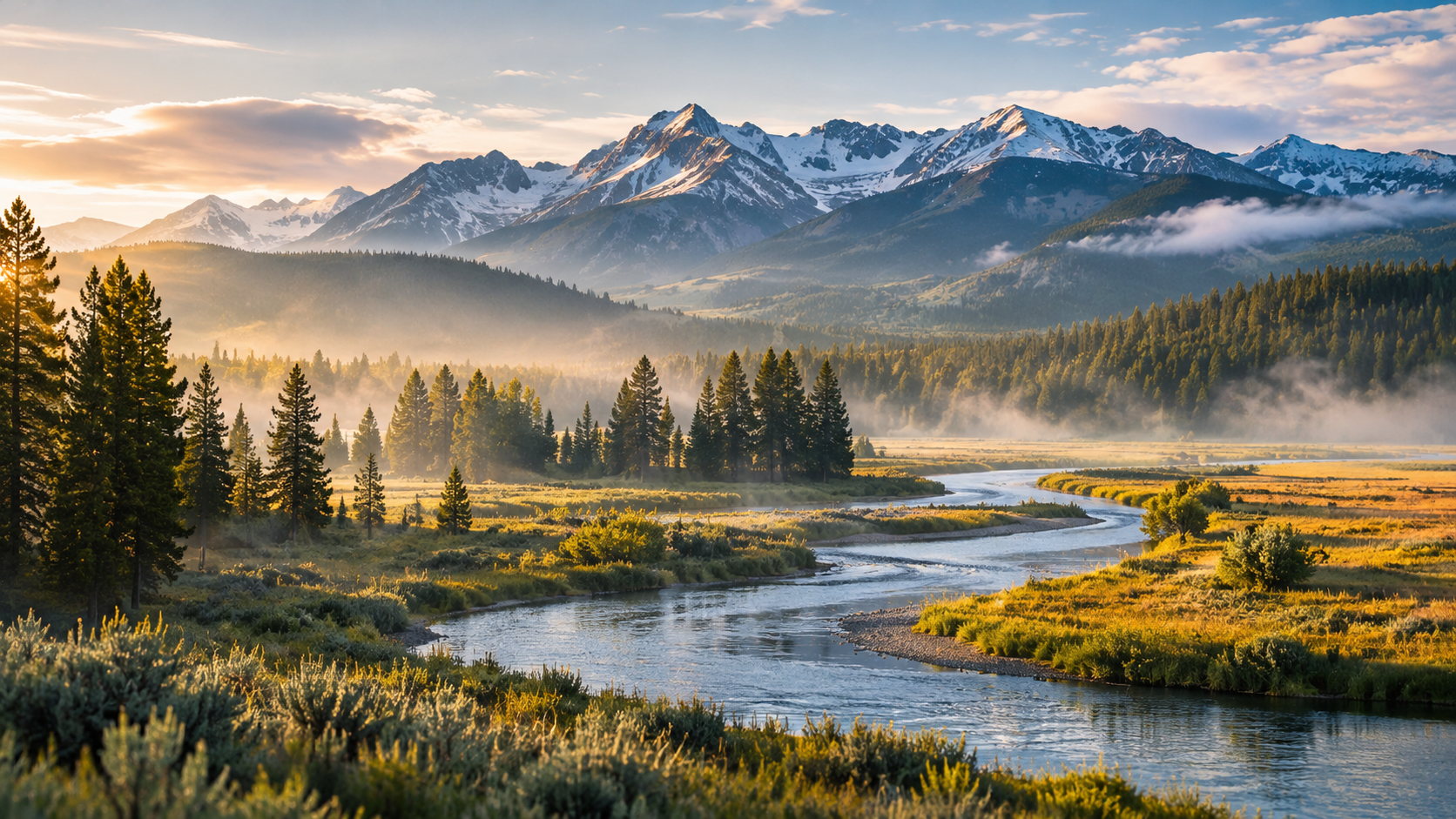
Best TIME TO VISIT.
Weather, crowds, and seasonal highlights.
Bear & wildlife safety.
Stay safe, respect wildlife, and be a responsible visitor.
The volcano, explained.
The science behind Yellowstone's supervolcano.