
Best time to visit yellowstone, season by season.
In brief.
There is no bad time to visit Yellowstone, but there are different Yellowstones. September gives most people the best balance of open roads, settled weather and fewer mosquitoes, though not fewer people; the crowds don't really thin until October. Late May and June are the months for young animals and full waterfalls. July and August are warm, dry and busy, and they work well if you start early. Winter closes most roads to cars and turns the park into a quiet place of steam, snow and wolves, reached mostly by snowcoach, skis or the one road that stays open through Mammoth and the Lamar Valley.
This page is one part of our full Yellowstone guide. Here we take the park a season at a time: what the weather does, what the roads do, what the animals are up to, and what to wear. How to get there from Bozeman is on its own page, and what to do once you're inside is covered in the one-day itineraries and the area-by-area Grand Loop page.
Two things that shape every season
The first is elevation. Most of the park sits above 6,000 feet, and the developed areas range from about 6,200 feet at Mammoth to nearly 7,800 at Yellowstone Lake. The Park Service's weather page says it plainly: "Expect big temperature swings, rain, or snow during every month of the year." Its advice is to bring a warm jacket, rain gear and layers whenever you come, and "every month" includes July. That isn't a warning so much as a planning fact, and it shapes everything below.
The second is roads. Most park roads close to regular vehicles around the first of November and begin reopening in stages in mid April, with everything usually open by Memorial Day weekend if the weather cooperates. The road from the North Entrance at Gardiner through Mammoth and the Lamar Valley to the Northeast Entrance at Cooke City is the exception; it stays open to cars all year. Dates shift with the weather every year, so check the park's road page before you commit to anything.
Spring: April to early June
Spring arrives late and unevenly. In April the lower valleys around Mammoth and Gardiner are melting out while the interior is still under snow, and the park is about as quiet as it gets with the roads open. Average highs at Mammoth climb from around 50°F in April to 60°F in May; at Yellowstone Lake they're about eight degrees cooler, and the lake itself is often still frozen into May. Plan for mud at low elevations, snow on most trails until late May or early June and on the high passes into late July, and the chance of a foot of new snow in a day.
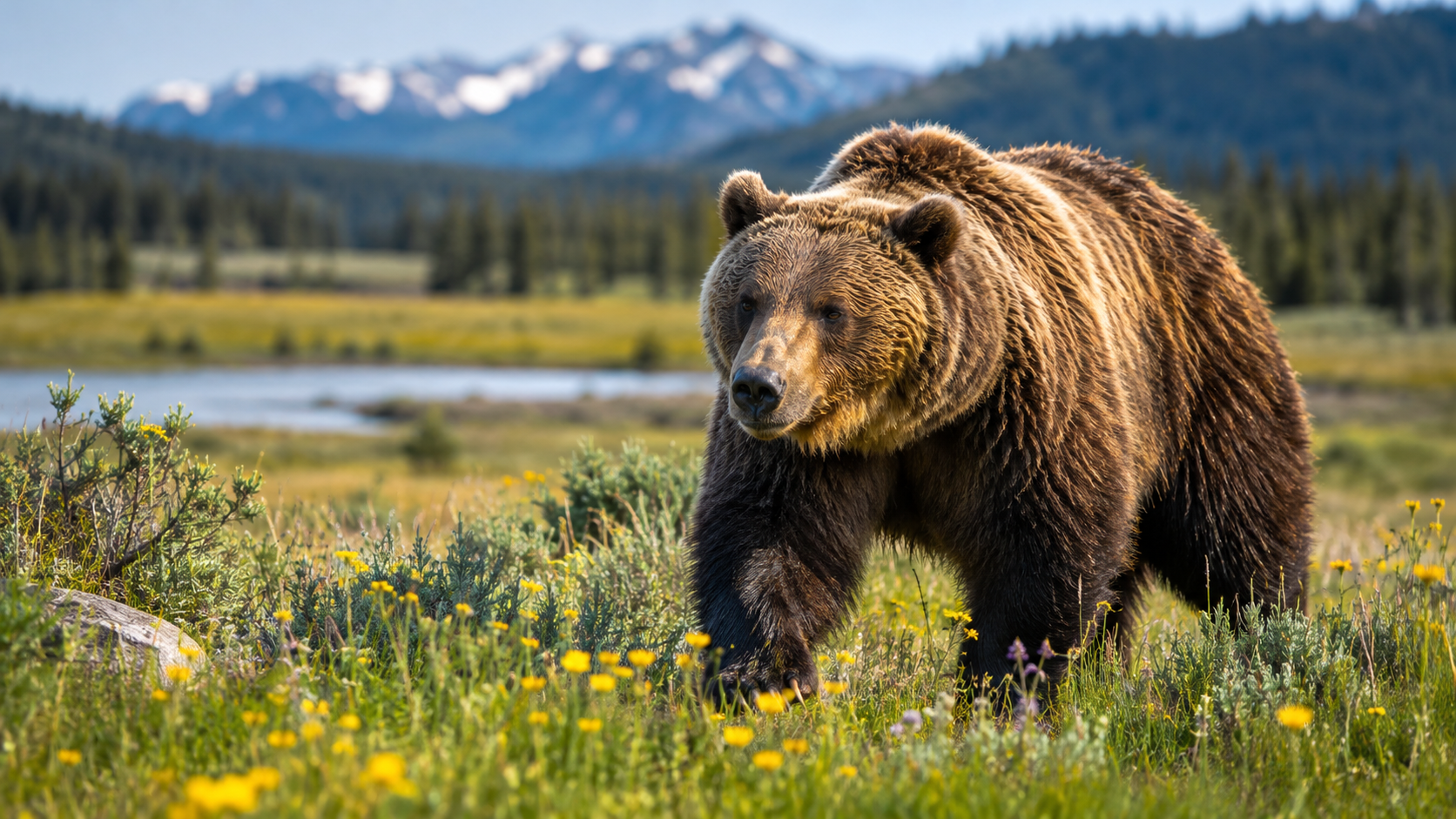
What makes spring worth it is the animals. Grizzlies come out of their dens in March and April and feed in the open along roads and low meadows, which makes this the easiest season to see a bear from a safe distance. Bison calves appear in late April and May, followed by elk, moose, pronghorn and bighorn young. The waterfalls run at full volume in late May and June as the snowpack lets go. One more spring tradition: for a couple of weeks after plowing and before cars are allowed, the park opens certain roads to bicycles only. The park posts those dates each year.
Roads open in stages, generally west side first in mid April, then the rest through May. Many services don't open until late May. Some backcountry areas and trails stay closed into June or July for bear management, and high water can keep certain campsites off limits.
What to wear: a waterproof shell, an insulating layer you can hike in, waterproof boots with real tread, and a hat and gloves in the pack even on a sunny morning. Spring is the season when people are most surprised by how cold it gets after the sun drops.
Summer: mid June to August
Summer is when most people come. The park says about 70 percent of its annual visits happen in June, July and August, and it feels that way at Old Faithful at noon. The weather is the most dependable of the year. July is the warmest month, with average highs around 83°F at Mammoth and the mid 70s at the lake, and overnight lows in the 40s. August is similar and drier. Both months bring thunderstorms in the afternoon, frequent in July and occasional in August, and by late summer wildfire smoke from somewhere in the region can haze the views.
By the end of June most of the park has thawed, all campgrounds are open, and the backcountry is coming into season as rivers drop. July and August are the reliable months for high trails like Mount Washburn and Avalanche Peak and for multi-day trips. They are also mosquito months, worst in July near water and in wet meadows. The bison rut runs from late July through August in the Lamar and Hayden valleys, which is loud, dusty and well worth watching from a distance.
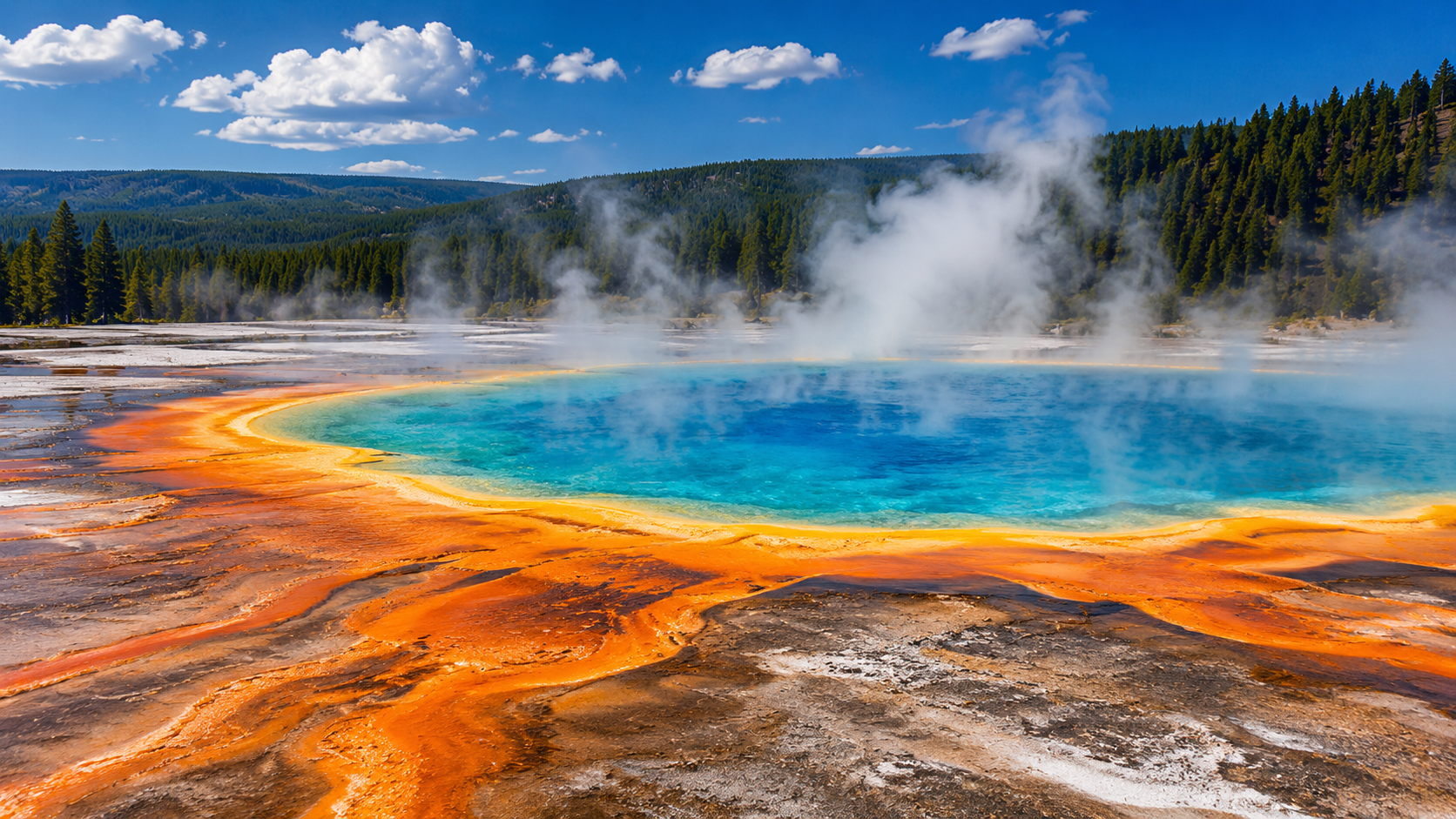
The practical advice for summer is about timing. The famous places are crowded from mid morning to late afternoon and nearly empty at seven in the morning and after six at night. Animals are more active in those hours too. If you can do one thing to improve a summer visit, it's to be on the road at sunrise. Parking lots at Old Faithful, Grand Prismatic and the canyon overlooks fill by late morning; a short walk away from any of them, the crowds thin fast.
What to wear: sun protection matters more than people expect at this elevation, so a hat, sunglasses and sunscreen, plus a light layer for the morning and a rain jacket in the pack for the afternoon storm. Closed-toe shoes with grip for boardwalks and trails.
Fall: September and October
Many people who know the park well will tell you September is the best month, and the weather supports them. Average highs at Mammoth are around 70°F, nights drop to about 40, afternoon storms are rarer, the mosquitoes are mostly gone, and the roads are still open. What the numbers don't support is the idea that the crowds leave with the schoolchildren: the park rates September among its busiest months, and in 2025 September's visitation ran only about 5 percent below August's. The crowds thin in October. Fall color comes to the high country above 7,000 feet in September and to the lower valleys in October.
Fall is also the elk rut. From late August or early September into October, bull elk bugle and spar at Mammoth Hot Springs and around Grant Village, sometimes in the middle of the developed areas. It is one of the great wildlife spectacles in the park and also one of the most dangerous times to be careless; bulls will charge cars and people. The park asks visitors to stay at least 25 yards from elk and all other large animals, and 100 yards from bears, wolves and cougars. Bears are also busy in fall, feeding hard before denning, and are often visible in roadside meadows in September and back at lower elevations in October. Hayden Valley sees a raptor migration in both months.
The trade-off is that fall ends abruptly. Snow is possible at high elevations any time in September and likely in October. By the middle of October the two high roads, Dunraven Pass and the Beartooth Highway beyond the Northeast Entrance, are usually closed for the season. Campgrounds and services begin closing in September and most are closed by mid October. The last day to drive most of the park is typically October 31, and nearly everything but the north road closes to cars on November 1. If you come in October, come with a flexible plan.
What to wear: this is layering season. A base layer, a fleece or light puffy, a shell, warm hat and gloves, and boots that can handle a dusting of snow. Mornings can be in the 20s and afternoons in the 60s on the same day.
Winter: November to March
Winter is a different park. From early November until mid December, most roads are closed to everything while they wait for enough snow to groom. From about mid December to mid March, the interior opens to oversnow travel only: snowcoaches and guided snowmobile trips run from the gateway towns to Old Faithful and Canyon, and the Old Faithful Snow Lodge is the only place to stay in the interior. The park also runs a non-commercially guided snowmobile permit program. The exact dates change each year and are posted by the park.
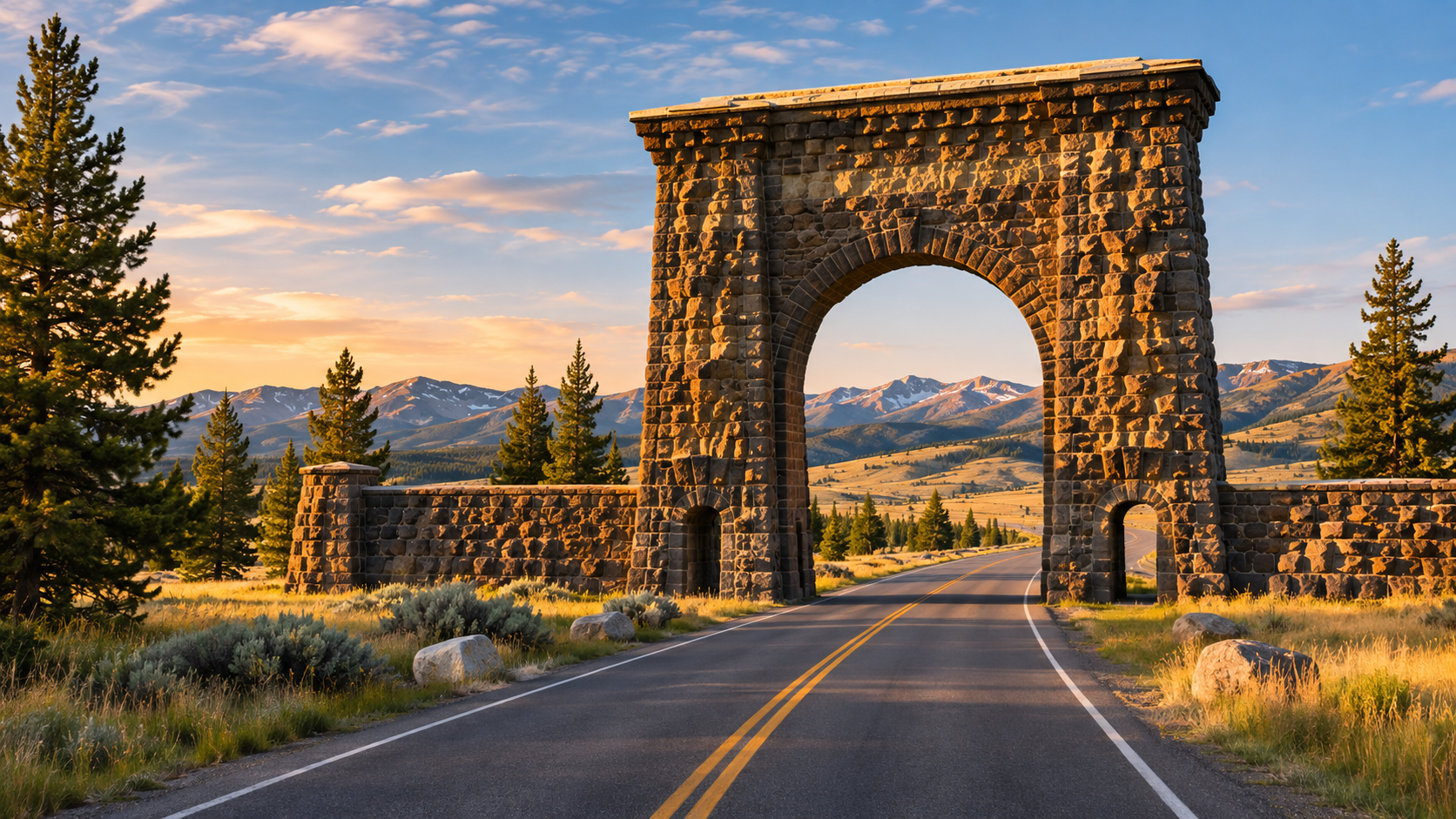
The one road that stays open to ordinary cars runs from the North Entrance at Gardiner through Mammoth, Tower and the Lamar Valley to Cooke City. For a visitor from Bozeman, this is the winter park: an hour and a half to the arch, then a plowed road through some of the best wildlife country in North America. Winter is the season the park's lodging concessioner calls the best for wolf watching, when the packs hunt by day in the open and stand out against snow, and the park lists the Lamar Valley as the place to look from November through March. Bison, elk and bighorn sheep move down to the northern range, and coyotes and foxes hunt in the open meadows. Along the road's thermal areas, steam freezes onto trees as rime ice. Mammoth has groomed ski trails, snowshoe routes and a few winter services; Cooke City is a snowmobile town with its own character at the far end.
It is also cold. Average highs at Mammoth in January are around 32°F with lows near 12, and the interior is colder; the park's record low of minus 66°F was set near the West Entrance in 1933. Days are short. Roads can close with little warning after a storm, and the drive to Gardiner through Paradise Valley can be icy. Carry what you'd carry for a winter drive anywhere in Montana, and check conditions before you leave town. For skiing and snowshoeing, the park has marked trails near Mammoth, Tower and the Northeast Entrance, a few of them groomed, and a ski shop at Mammoth operates in season.
What to wear: a warm, windproof outer layer, an insulating mid layer, a wool or synthetic base, insulated and waterproof boots, warm gloves with a lighter liner pair for using a camera, a hat that covers your ears, and something for your face on windy days. Traction devices for boots are useful on packed snow and ice around Mammoth. If you're going out on skis or snowshoes, treat it as a backcountry day: extra layers, food, water, a headlamp, and a plan for turning around.
A quick guide by what you want to see
Bears are easiest to see from the road in April and May, and again in September and October; in June they move to higher ground. Wolves are best in winter, especially in the Lamar Valley, and good in early spring and late fall. Bison are everywhere all year; the rut from late July through August is the show. Elk bugling runs from early September into October at Mammoth and Grant. Bighorn sheep rut in November and December on the northern range. Waterfalls peak in late May and June. Fall color runs mid September at high elevations and into October lower down. Wildflowers are best in June at low elevations and July up high. For hiking the high country, July through September. For solitude, any weekday in winter or the first two weeks of April. For a fuller account of where the animals are in each season, see our wildlife page.
Questions people ask us about timing
What is the best month to visit Yellowstone? For most people, September: settled weather, open roads, the elk rut, fewer mosquitoes, and crowds that thin as the month goes on. For young animals and full waterfalls, late May and June. For solitude and wolves, winter. July and August are busy but work well with early starts.
When do the roads open and close? Most park roads close to cars around November 1 and reopen in stages from mid April, with everything typically open by Memorial Day weekend. The road from Gardiner through Mammoth and the Lamar Valley to Cooke City is open all year. Dates shift with weather every year; the park posts them.
Is Yellowstone open in winter? Yes, but differently. From mid December to mid March the interior is reachable only over snow, by snowcoach or commercially guided snowmobile from the gateway towns, or by snowmobile under the park's non-commercially guided permit program, with lodging at Old Faithful and Mammoth. The northern road from Gardiner to Cooke City stays open to cars and is the best wolf-watching of the year.
What is the weather like in summer? In September? July and August highs run around 80 at Mammoth and the low to mid 70s at the lake, with lows in the 40s and frequent afternoon thunderstorms. September highs are around 70 with nights near 40, drier, and with a real chance of early snow at elevation. Expect rain or snow in any month.
Does it snow in Yellowstone in June? It can. June averages less than an inch of snow at Mammoth and under two inches at the lake, but a late storm at higher elevations is common enough that the park's advice to bring a warm jacket and rain gear in every month applies.
When is the best time to see bears? Wolves? Elk? Bison calves? Bears: April and May along the roads, and again September and October; by June they move to higher ground. Wolves: winter, especially in the Lamar Valley; also good in early spring and late fall. Elk bugling: late August or early September into October at Mammoth and Grant. Bison calves: late April and May; the bison rut is late July through August.
How crowded is Yellowstone in July? Very. The park says about 70 percent of its visitors come in June, July and August, and in our experience the famous parking lots fill by mid morning and the roadside attractions are busiest from about 10 a.m. to 5 p.m. Before, after, and a mile down any trail, it's a different park.
Is spring a good time to visit? Yes, with caveats. April and May bring bears, bison calves and empty roads, but the interior roads open in stages, many services don't open until late May, high trails are under snow, and the weather swings from warm to winter in an afternoon. Come prepared and flexible.
Yellowstone in One Day.
Make the most of a day in the park from any entrance.
GRAND LOOP ROAD.
A section-by-section guide to the park's iconic drive.
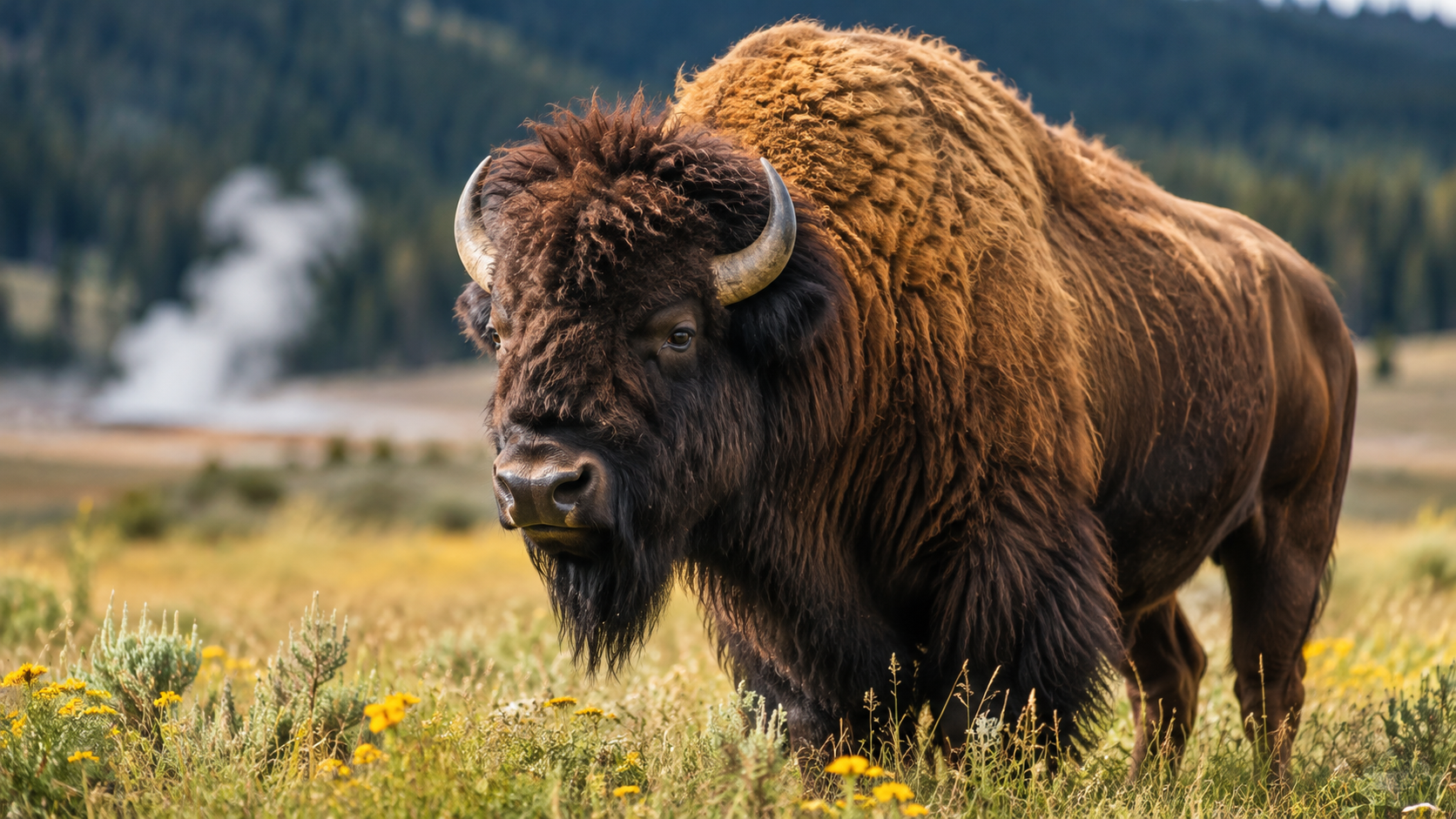
Where to see wildlife.
The best areas and times to spot Yellowstone's animals.
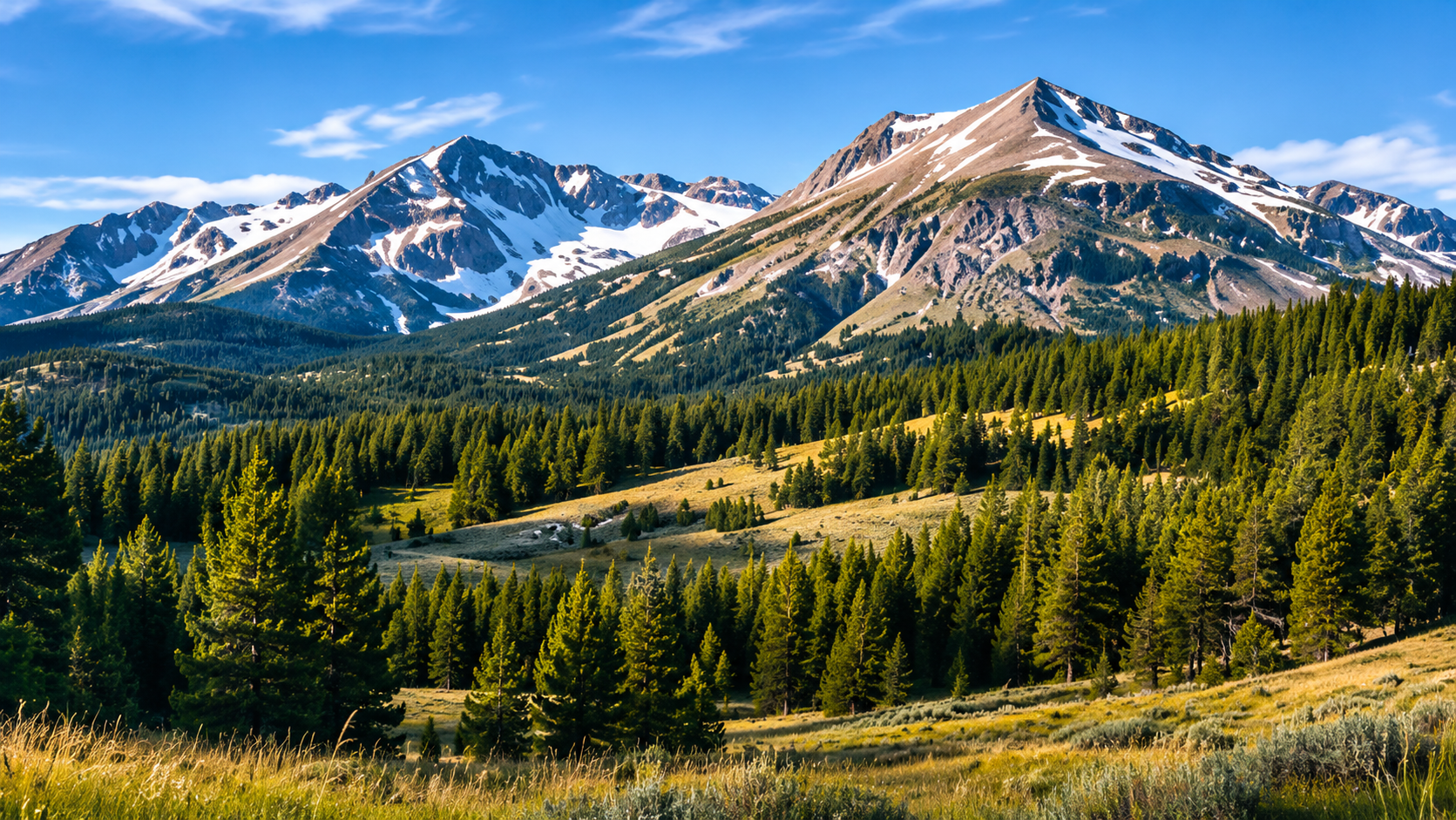
BOZEMAN to
yellowstone.
The best route, drive time, and tips for a smooth trip.
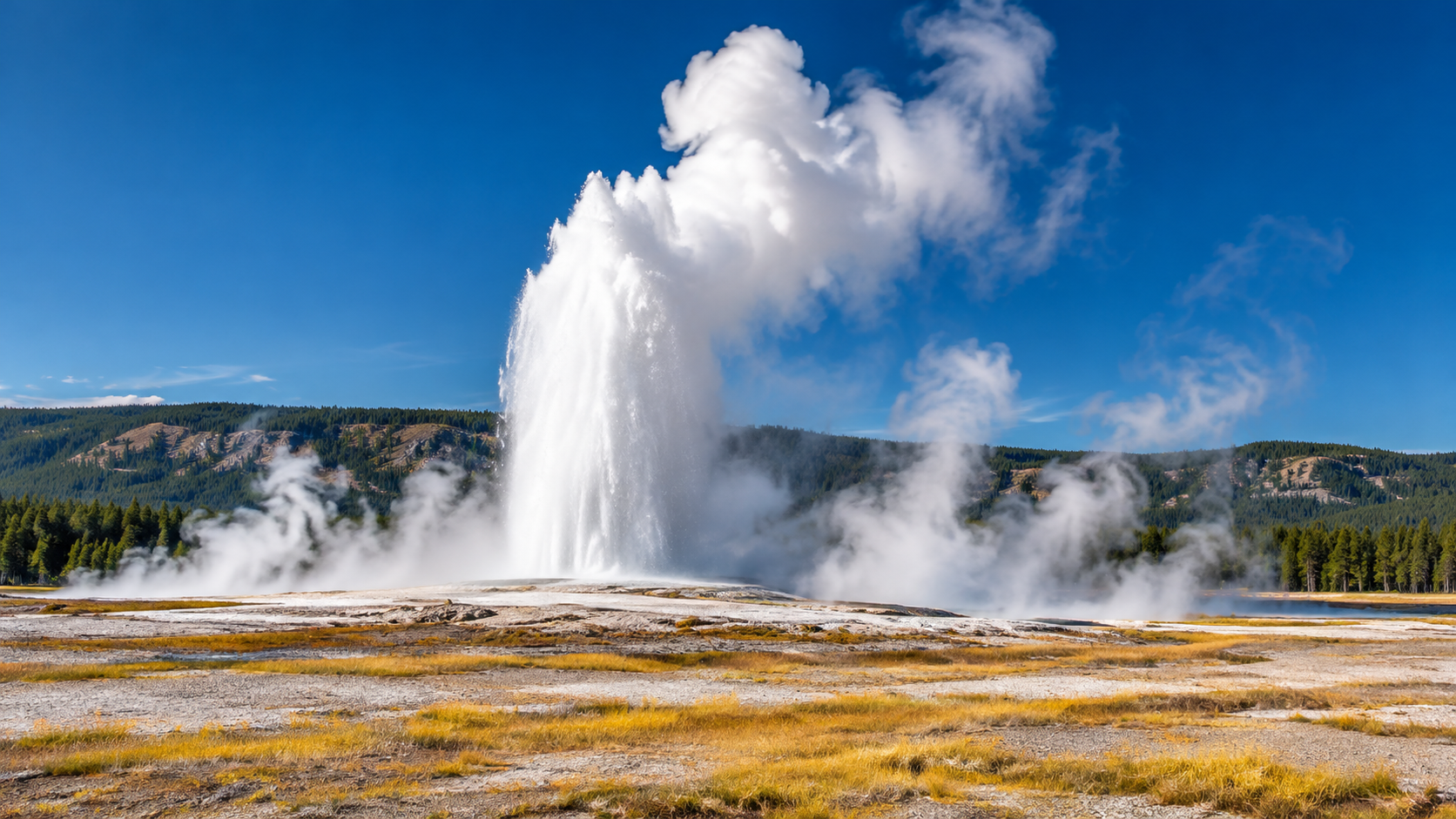
FAQs.
Answers to common Yellowstone questions.
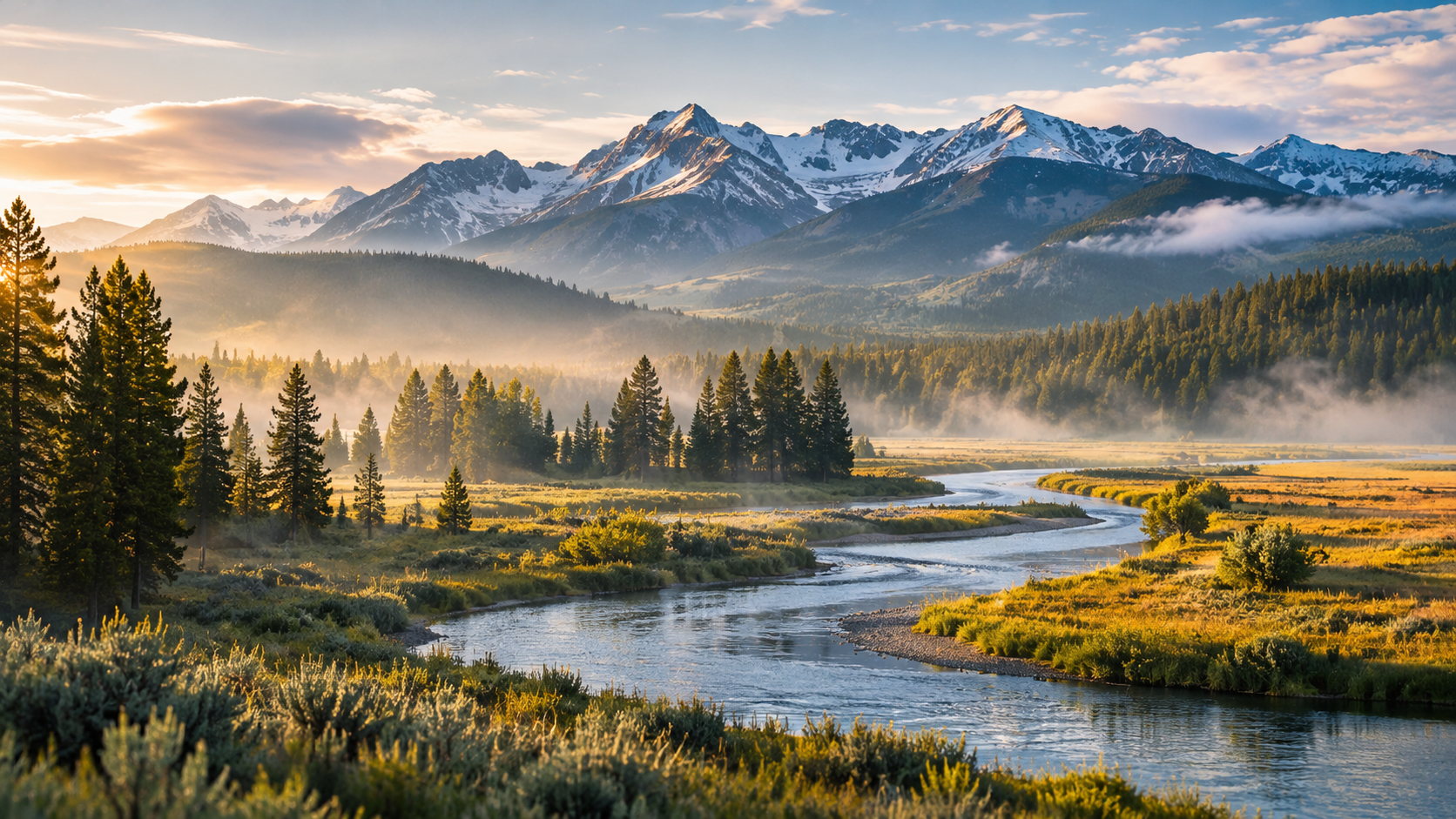
Best TIME TO VISIT.
Weather, crowds, and seasonal highlights.
Bear & wildlife safety.
Stay safe, respect wildlife, and be a responsible visitor.
The volcano, explained.
The science behind Yellowstone's supervolcano.