
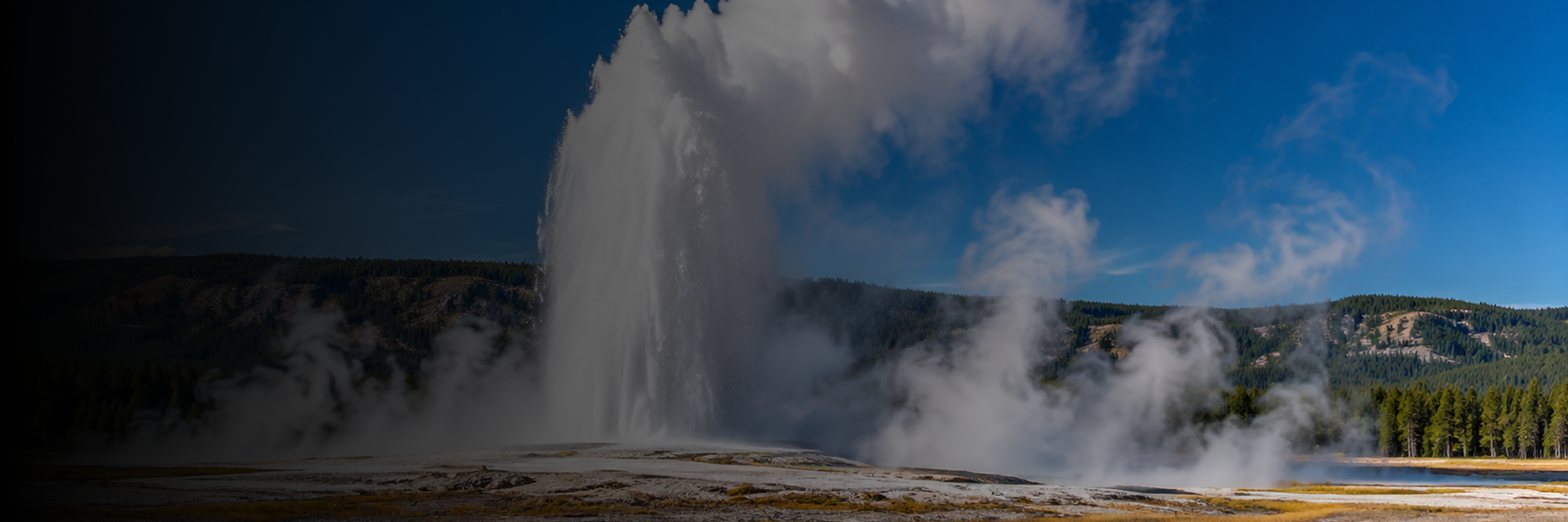
yellowstone FAQs.
In brief.
This is the question-and-answer version of our Yellowstone guide: seventy-four of the questions people ask us across the counter in Bozeman, each answered in a few sentences, grouped by topic, and sourced to the National Park Service or another authority named in the guide. Where a fact changes from year to year, such as fees, road dates, permit windows or trail closures, the answer gives the general rule and links to the park page that holds the current number. We review the whole page each spring before the park roads open.
This page is part of our full Yellowstone guide. The guide goes deep on each of these topics; this page is for the reader who wants the answer and nothing else. Every answer here also appears in the section of the guide it summarizes, and the sources listed there apply. If you find something wrong or out of date, we'd like to hear about it.
On this page: Planning and logistics | When to visit | Getting there from Bozeman | Hiking | Backpacking and camping | Wildlife and bears | The volcano and thermal areas | What to wear and pack | Rules and etiquette | Facts and history
Planning and logistics
How many days do you need in Yellowstone? Two full days lets you see the geyser basins and the northern range without rushing. Three adds the canyon and the lake. A week lets you hike. One day is enough to see one part of the park well, which is what our one-day itineraries are built for.
Do I need a reservation to enter Yellowstone? No. Yellowstone does not have a timed-entry or reservation system for day visitors; you pay the entrance fee at the gate or buy a pass online ahead of time to save time in line. Campgrounds, lodging and backcountry permits are a different matter and do require reservations. Check the park's fees and passes page for the current fee.
How much does it cost to get into Yellowstone? The entrance fee covers a private vehicle and everyone in it for seven consecutive days, and an annual America the Beautiful pass covers it and every other national park for a year. Visitors who aren't U.S. residents also pay a per-person fee on top of the vehicle fee. The park posts current prices on its fees page, and they do change.
Do I need a car? Can you see Yellowstone without driving? Realistically, yes, you need a vehicle. There is no public transit inside the park. The alternatives are a guided bus or van tour from Bozeman, Gardiner, West Yellowstone, Jackson or Cody, several of which the park authorizes, or in winter, snowcoach tours from the gateway towns.
How long does it take to drive the Grand Loop? The Park Service's drive-time figures, with no stops, add up to about six to six and a half hours for the full figure eight. With wildlife jams and the stops you'll actually make, the whole loop is a two-day project. Each half of the figure eight is a long day on its own.
Is there cell service or Wi-Fi in the park? Very little. The park lists cell towers at Mammoth, West Yellowstone, Old Faithful, Grant Village, Lake Village and Mount Washburn, which serve most developed areas; coverage is spotty between them and absent on nearly every trail. Free Wi-Fi is available at the Albright, Old Faithful and West Yellowstone visitor centers, and at some lodges for registered guests. Download maps before you arrive.
Where can I stay inside the park? Nine lodges and hotels run by Yellowstone National Park Lodges, including the Old Faithful Inn, the Lake Yellowstone Hotel, and two that stay open in winter, the Old Faithful Snow Lodge and the Mammoth Hot Springs Hotel. They book up months ahead for summer.
How far in advance should I book lodging or camping? As early as the booking window opens. Lodges take reservations up to 13 months out, released on the fifth of each month for the same month the following year. Starting with the 2027 season, every campground in the park books on Recreation.gov, with each date opening six months ahead. Summer weekends fill within days. Cancellations happen, so checking back works.
Are there gas stations and groceries in the park? Yes, in the developed areas: gas stations at Canyon, Fishing Bridge, Grant Village, Mammoth, Old Faithful and Tower Junction, all with card pumps that run around the clock year round, and general stores with groceries and supplies at the major villages in season. Prices are higher than in town, the stores close for winter, and in winter only Mammoth and Tower are reachable by car. Fill up in Gardiner or West Yellowstone.
Are there EV charging stations? No public chargers, but a few Level 2 chargers at lodges run by the concessioner: Canyon Lodge, Lake Hotel, Mammoth Hotel and the Old Faithful Lodge cabins. There are also chargers in Gardiner and West Yellowstone. Charge fully before you enter and treat in-park charging as a bonus rather than a plan.
Is Yellowstone accessible for wheelchairs and strollers? A good deal of it. Accessible walkways lead from the parking areas to Old Faithful, and parts of the loops at Fountain Paint Pot, West Thumb, Mud Volcano, Mammoth and Norris are accessible, with grades and rough sections noted on the park's accessibility page. Manual wheelchairs can be borrowed at visitor centers and lodges, rented at the Mammoth and Old Faithful clinics, and a beach wheelchair is available for the shore of Yellowstone Lake. The park's app carries current details for facilities and selected trails.
Can I bring my dog? Only in developed areas and within 100 feet of roads, parking areas and campgrounds, on a leash no longer than six feet. Dogs are not allowed on any trail, boardwalk, or in the backcountry or thermal areas. For a trip with a dog, the Custer Gallatin National Forest outside the park generally allows them on trails; check the district's rules.
What is the Yellowstone Pledge? A three-sentence promise the park asks every visitor to make: to protect the park, to act responsibly and safely, to set a good example for others, and to share what makes the place special. It comes with ten practical tips, among them giving wildlife room, staying on the beaten path, being bear aware, watching out for water, leaving your drone at home, stashing your trash and leaving what you find. It takes a minute to read and covers most of what gets people hurt or fined.
When to visit
What is the best month to visit Yellowstone? For most people, September: settled weather, open roads, the elk rut, fewer mosquitoes, and crowds that thin as the month goes on. For young animals and full waterfalls, late May and June. For solitude and wolves, winter. July and August are busy but work well with early starts. See Best Time to Visit Yellowstone.
When do the roads open and close? Most park roads close to cars around November 1 and reopen in stages from mid April, with everything typically open by Memorial Day weekend. The road from Gardiner through Mammoth and the Lamar Valley to Cooke City is open all year. Dates shift with weather every year; the park posts them.
Is Yellowstone open in winter? Yes, but differently. From mid December to mid March the interior is reachable only over snow, by snowcoach or commercially guided snowmobile from the gateway towns, or by snowmobile under the park's non-commercially guided permit program, with lodging at Old Faithful and Mammoth. The northern road from Gardiner to Cooke City stays open to cars and is the best wolf-watching of the year.
What is the weather like in summer? In September? July and August highs run around 80 at Mammoth and the low to mid 70s at the lake, with lows in the 40s and frequent afternoon thunderstorms. September highs are around 70 with nights near 40, drier, and with a real chance of early snow at elevation. Expect rain or snow in any month.
Does it snow in Yellowstone in June? It can. June averages less than an inch of snow at Mammoth and under two inches at the lake, but a late storm at higher elevations is common enough that the park's advice to bring a warm jacket and rain gear in every month applies.
When is the best time to see bears? Wolves? Elk? Bison calves? Bears: April and May along the roads, and again September and October; by June they move to higher ground. Wolves: winter, especially in the Lamar Valley; also good in early spring and late fall. Elk bugling: late August or early September into October at Mammoth and Grant. Bison calves: late April and May; the bison rut is late July through August.
How crowded is Yellowstone in July? Very. The park says about 70 percent of its visitors come in June, July and August, and in our experience the famous parking lots fill by mid morning and the roadside attractions are busiest from about 10 a.m. to 5 p.m. Before, after, and a mile down any trail, it's a different park.
Is spring a good time to visit? Yes, with caveats. April and May bring bears, bison calves and empty roads, but the interior roads open in stages, many services don't open until late May, high trails are under snow, and the weather swings from warm to winter in an afternoon. Come prepared and flexible.
Getting there from Bozeman
How far is Yellowstone from Bozeman? About 80 miles to the North Entrance at Gardiner, roughly an hour and a half through Livingston and Paradise Valley. About 90 miles to the West Entrance at West Yellowstone, closer to two hours through Gallatin Canyon.
Which entrance is best from Bozeman? North for wildlife, Mammoth and the Lamar Valley, and for any visit from November through mid April. West for the geyser basins and Old Faithful. With two days, enter at one and leave by the other.
Can you do Yellowstone as a day trip from Bozeman? Yes. Many people stay in Bozeman and drive in for the day. Pick one entrance and the part of the park it opens onto, leave early, and don't try to reach the far side of the loop. Our one-day itineraries are built for exactly this.
Which Yellowstone entrance is open year round? The North Entrance at Gardiner, Montana, is the only one you can drive to from outside the park in winter. The road from there through Mammoth and the Lamar Valley to the Northeast Entrance and Cooke City is plowed all year, but the highways beyond Cooke City close for the season, so that end is a dead end reached only through the park. The West, South and East entrances close to cars from about November 1 to mid April or later.
What is the drive like through Paradise Valley? Through Gallatin Canyon? Paradise Valley, on U.S. 89 to Gardiner, is wide, open and scenic, with the Yellowstone River alongside; it's open in winter but can be icy and windy. Gallatin Canyon, on U.S. 191 to West Yellowstone, is a narrow two-lane mountain road along the river past Big Sky, busy in summer and a winter mountain drive the rest of the year.
Can I fly into Bozeman with bear spray? No. The TSA prohibits bear spray in both carry-on and checked baggage. Buy it after you land; outdoor shops in Bozeman, including ours, and stores in the gateway towns carry it, and an authorized concessioner, Bear Aware, rents it from kiosks at Canyon and Old Faithful.
Is there a shuttle or tour from Bozeman? Yes. Bus service runs year round from Bozeman to West Yellowstone, commercial shuttles run to Gardiner in summer and winter, and several authorized tour companies run day trips into the park from Bozeman and Big Sky. The park lists authorized operators.
Hiking
Do I need a permit to hike in Yellowstone? No permit is required for day hiking anywhere in the park. Overnight trips in the backcountry require a permit for a designated campsite. See the backpacking section of the full guide.
What are the easiest hikes in Yellowstone? Trout Lake (1.2 miles), Wraith Falls (1 mile), Storm Point (2.3 miles, flat), Harlequin Lake (about a mile), and the Grand Prismatic Overlook (1.2 miles). The boardwalk loops at Fountain Paint Pot, West Thumb and Mammoth count too.
What are the best day hikes in Yellowstone? Depends what you want. For a summit, Mount Washburn or Avalanche Peak. For a waterfall, Fairy Falls or the Brink of the Lower Falls. For wildlife and open country, Slough Creek or the Lamar River trail. For geysers without crowds, Lone Star Geyser. Best Hikes in Yellowstone sorts them by difficulty.
Can I hike alone in Yellowstone? You can, but the park advises against it in bear country, and its numbers are blunt: of the people hurt by bears in the park since 1970, nine in ten had no more than one companion. If you do go alone, stay on trails, make noise, carry bear spray in your hand in thick cover, and tell someone your plan.
How do I check if a trail is open? The park's Backcountry Conditions page maps area closures, bear management restrictions and known hazards such as high water, and is updated through the season. Visitor centers and ranger stations have the same information.
Are there hikes to see Grand Prismatic from above? Yes. The Grand Prismatic Overlook trail starts at the Fairy Falls lot a mile south of Midway Geyser Basin and climbs about 105 feet to a platform above the spring; it's 1.2 miles round trip. Parking is very limited and the lot fills early in summer.
What should I carry on a day hike? Water (two liters per person), food, a rain shell, a warm layer, sun protection, a map, a headlamp, a small first-aid kit, and bear spray where you can reach it. Shoes with real tread. Trekking poles help on steep ground and stream crossings.
Can I hike in the thermal areas? Only on boardwalks and marked trails. Leaving them is illegal and dangerous; the ground is a thin crust over scalding water. In backcountry thermal areas without boardwalks, stay on the trail.
How high is Yellowstone, and will the altitude affect me? Most of the park is above 7,500 feet and the high trails top 10,000. Visitors from low elevations commonly feel short of breath, tired or headachy the first day or two. Take it easy at first, drink more water than usual, and don't plan a summit for your first morning.
Backpacking and camping
How do I get a backcountry permit? Through Recreation.gov: an early-access lottery in March, a general sale from late April, or walk-up permits at park backcountry offices up to two days before your trip. Every permit is for a specific designated campsite on specific dates.
Can I camp anywhere in the backcountry? No. Camping is allowed only at the park's 293 designated backcountry campsites, each with a food pole or bear box. Winter is the exception, with undesignated camping allowed in winter backcountry zones.
How do I store food in the backcountry? Hang it from the food pole provided at each campsite, using at least 35 feet of rope you bring, or put it in the bear box where one exists; approved hard-sided canisters are also accepted. Everything with a scent goes up, including trash, toiletries and cookware, any time it isn't in your hands.
Can I have a campfire? Only in established fire rings at campsites that allow them; many backcountry sites don't, and the permit says which. Fire restrictions are common in late summer. In campgrounds, fires go in the grates provided.
Can I camp outside the park on Forest Service land? Yes. The Custer Gallatin National Forest surrounds the park on the Montana side with dozens of developed campgrounds, some reservable and some first come, and dispersed camping outside them. Food storage rules apply there too and are enforced.
Wildlife and bears
Do I need bear spray in Yellowstone? Yes, on any trail. The park says bear spray is more than 90 percent effective at stopping aggressive bear behavior and asks every hiker to carry it and know how to use it. It can't be flown in, so buy or rent it on arrival.
How do I use bear spray? Each person should carry a can, in a holster on the hip or chest, not in a pack. If a bear charges, remove the safety clip, point the nozzle slightly down, adjust for any crosswind, and spray when the bear is 30 to 60 feet away so the cloud forms a wall between you. Keep spraying until the bear changes direction, then leave the area without running. Ask at a visitor center or at the Bear Aware rental kiosks at Canyon and Old Faithful if you want to see how a canister works before you need it.
Where can I buy or rent bear spray? Outdoor shops in Bozeman, including ours, and stores in Gardiner, West Yellowstone, Cooke City, Cody and Jackson sell it, as do gift shops, general stores and service stations inside the park. Bear Aware, an authorized concessioner, rents it from a kiosk next to the Canyon visitor center and a yurt in the Old Faithful area.
What do I do if I see a bear on the trail? If it hasn't noticed you, leave quietly the way you came. If it has, keep your group together, pick up small children, and back away slowly without running, with your spray out and the safety off. If it charges, stand your ground and spray when it comes within 60 feet. If a bear makes contact, play dead: lie on your stomach, keep your pack on, clasp your hands over the back of your neck, and stay still and quiet until it leaves. A bear that approaches slowly and keeps coming is curious or predatory, which is different: walk to a car or building if you can, group up and yell if you can't, and if it attacks, fight back with everything you have. Yellowstone's guidance goes by what the bear is doing, not whether it's a grizzly or a black bear, and that's what we follow. Report any run-in to a ranger. The park's backcountry safety page covers every case.
How far should I stay from bison? From bears and wolves? At least 25 yards from bison, elk, moose, deer, bighorn sheep and coyotes. At least 100 yards from bears, wolves and cougars. These are regulations. If an animal approaches you, you move.
Which animal injures the most visitors? Bison, by the park's own account, and nearly always because someone approached too closely; the park's rule of thumb is never to approach a bison for a photo. They can run three times faster than you.
Are bear bells effective? The Park Service doesn't recommend relying on them; a bear often won't hear a bell until you're already too close. Your voice carries farther and tells a bear what you are, so talking, clapping or calling out in thick cover works better, and neither replaces bear spray.
Can I carry a gun in Yellowstone? Under a federal law that took effect in 2010, visitors who can legally possess a firearm may carry one in the park in accordance with state law, and since the park spans Wyoming, Montana and Idaho, that depends on where you're standing. Firearms can't be brought into federal buildings such as visitor centers, and hunting and discharging a weapon are prohibited. The Interagency Grizzly Bear Committee, which coordinates grizzly management across the region, says bear spray has a better record of stopping bears than any other method, firearms included, and has never caused a fatality.
Where are the best places to see wildlife? The Lamar Valley and the Hayden Valley at dawn and dusk, for bison, elk, bears and wolves. Mammoth for elk, especially in fall. The northern range in winter for wolves and bighorn sheep. Bring binoculars; the animals are usually far away, which is as it should be.
Can I feed the animals? No. It's illegal, it's dangerous, and an animal that comes to depend on people for food can turn aggressive and may have to be killed. That includes squirrels and birds.
The volcano and thermal areas
Is Yellowstone going to erupt? Not in any time frame worth worrying about. The U.S. Geological Survey puts the annual chance of a caldera-forming eruption at about one in 730,000 and says the most likely future event is a hydrothermal explosion, with a lava flow the most likely volcanic one; both would be local. The alert level is Normal.
When did Yellowstone last erupt? The last caldera-forming eruption was about 631,000 years ago, the Lava Creek eruption, which formed the present caldera. The last lava flow was about 70,000 years ago.
Is the Yellowstone volcano overdue? No. The "overdue" idea comes from averaging the two intervals between three eruptions, which gives roughly 725,000 to 730,000 years, longer than the 631,000 since the last one; and in any case two intervals don't make a schedule. The USGS has said this repeatedly.
Can you swim in the hot springs? No. Entering any thermal feature is illegal and can be fatal; the water is near boiling and in some basins acidic. The Boiling River near Mammoth, where hot water once mixed with the river, has been closed since the 2022 flood. The Firehole Swim Area on Firehole Canyon Drive is a cold-water river spot that opens in summer once the water drops; check the park's swimming page for current status.
How hot is the water in the geysers? Near or above boiling at the surface, which at this elevation is about 199°F. Norris, the hottest basin, has measured 459°F in a research well about 1,100 feet down. Even the "cooler" runoff channels can burn.
Why is Grand Prismatic so colorful? The blue center is hot, clear water scattering blue light; it's too hot for visible life. The orange, yellow and brown rings are mats of heat-loving microbes, each community living at the temperature it prefers as the water cools toward the edges.
How often does Old Faithful erupt? About every 100 minutes on average, anywhere from roughly 55 to 120, depending on the length of the previous eruption. Rangers post predictions at the visitor center, the lodges and in the park's app, give or take about ten minutes.
Are there earthquakes in Yellowstone? Constantly. The region records between 1,000 and 3,000 a year, more than 99 percent of them too small to feel, many in swarms. They're a normal part of the system. The last large one in the area was the magnitude 7.3 Hebgen Lake earthquake just outside the park in 1959.
What to wear and pack
What should I wear in Yellowstone in summer? Closed shoes with tread, a sun hat, sunglasses and sunscreen, a light layer for the cool morning, and a rain jacket in the pack for the afternoon storm. Add real hiking shoes, a warm layer and bear spray if you're leaving the boardwalks.
What should I wear in September or October? Layers: a base layer, a fleece or light puffy, a shell, a warm hat and gloves, and waterproof boots. Mornings can be in the 20s and afternoons in the 50s or 60s on the same day.
What should I wear in winter? A windproof, waterproof outer layer, an insulating mid layer and a wool or synthetic base, top and bottom; insulated waterproof boots; warm gloves with liners; a hat that covers your ears; something for your face; traction for your boots; sunglasses for the glare.
Do I need hiking boots or will sneakers work? For boardwalks and short paved walks, sneakers are fine. For any trail, you want shoes with real tread and some protection; light hiking shoes are enough for most day hikes, and waterproof boots are better in spring and fall. Sandals are a bad idea anywhere near a thermal area.
What's the one thing people forget to pack? Bear spray, because it can't fly. After that, sunscreen, a paper map, and a headlamp.
Rules and etiquette
Can I fly a drone? No. Drones are prohibited in all national parks, including Yellowstone, and violations draw fines.
Can I smoke? Not in the geyser basins or other thermal areas, on trails, in buildings or within 25 feet of their entrances, and not anywhere additional restrictions are posted when fire danger is high. The park's laws and policies page has the specifics.
Can I take rocks, antlers or wood? No. Removing anything natural or historic from the park, including rocks, antlers, petrified wood, wildflowers and arrowheads, is illegal. Dead and down wood may be gathered for a fire only right around a backcountry campsite that allows fires, or in developed areas and along open park roads.
What happens if I leave the boardwalk? At best, a citation and a fine; the park prosecutes. At worst, you fall through the crust into scalding water, which has killed people. Stay on the boardwalk.
Facts and history
Why is it called Yellowstone? After the Yellowstone River, which runs through the park. According to the Park Service, French-Canadian trappers asked the Minnetaree, who live in what is now eastern Montana, what they called the river; the answer translates as "Rock Yellow River," the trappers rendered it in French as Roche Jaune, and the explorer David Thompson used the English version in 1797.
What states is Yellowstone in? Mostly Wyoming (96 percent), with 3 percent in Montana and 1 percent in Idaho. Three of the five entrances are in Montana.
Was Yellowstone the first national park? Yes. Established March 1, 1872, it was the first national park in the United States and in the world.
How many geysers are in Yellowstone? About 500 active geysers, more than half of all those on Earth, among more than 10,000 hydrothermal features.
What happened in the 2022 flood? On June 13, 2022, heavy rain on a deep snowpack sent the Yellowstone and Gardner rivers into a flood the park called a 500-year event. It destroyed sections of the North and Northeast entrance roads, closed the whole park for nine days, and reshaped the northern river corridors. Both entrance roads were back in use by the end of that October, the north one on a rebuilt stretch of the old Gardiner stagecoach road. A permanent replacement route for the North Entrance Road was approved in September 2026 and has yet to be built; the temporary road remains in use.
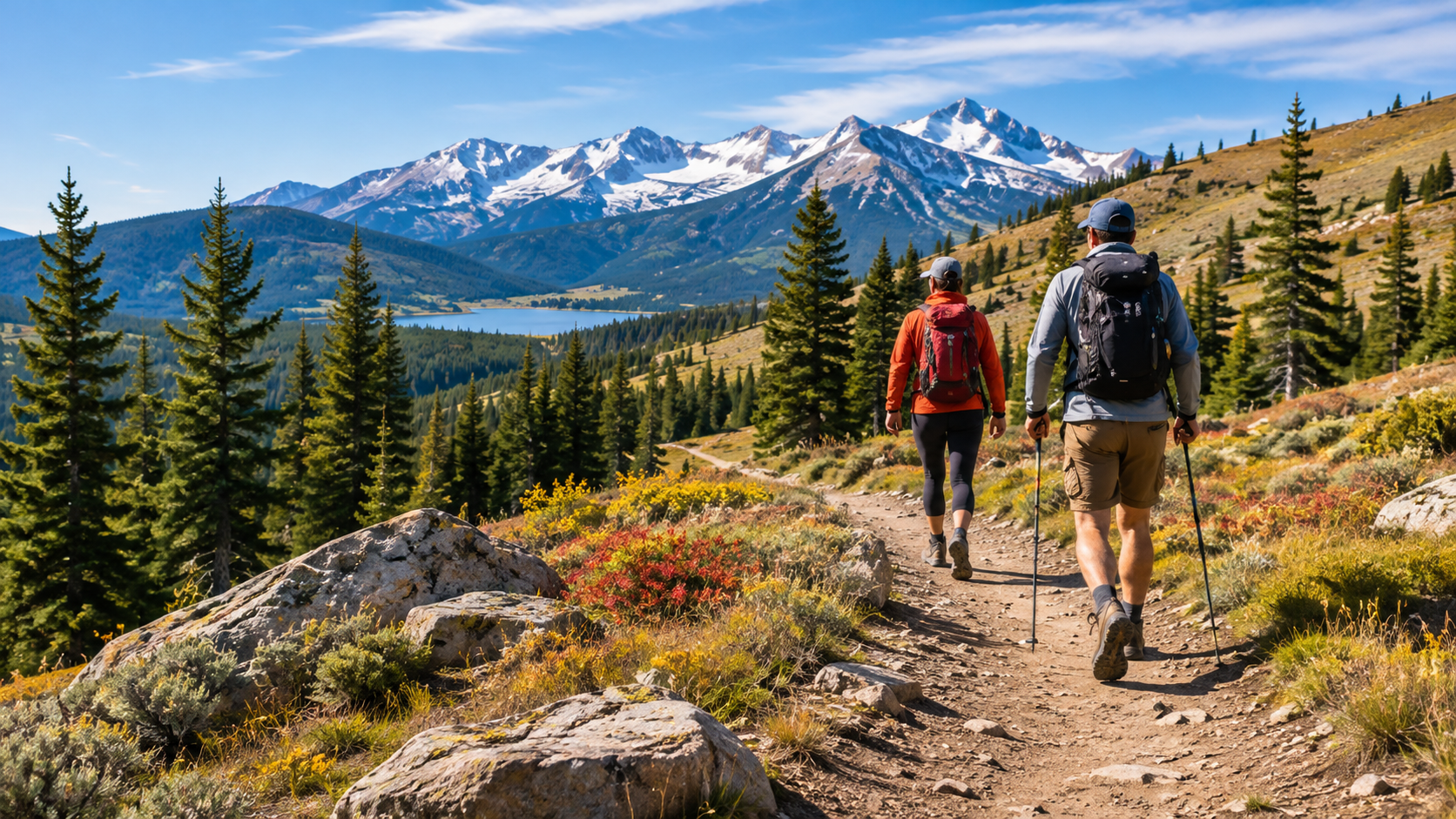
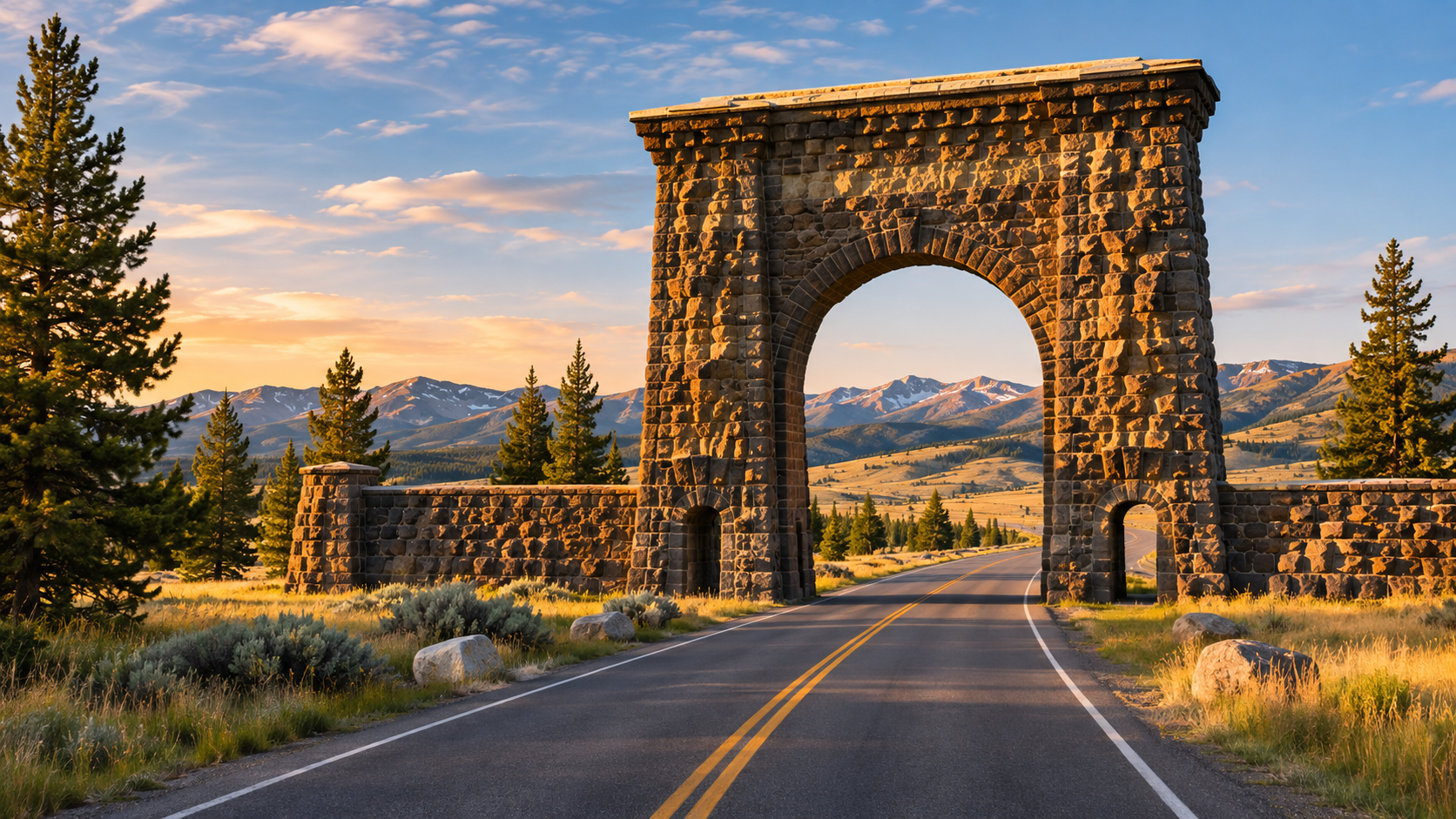
Yellowstone in One Day.
Make the most of a day in the park from any entrance.
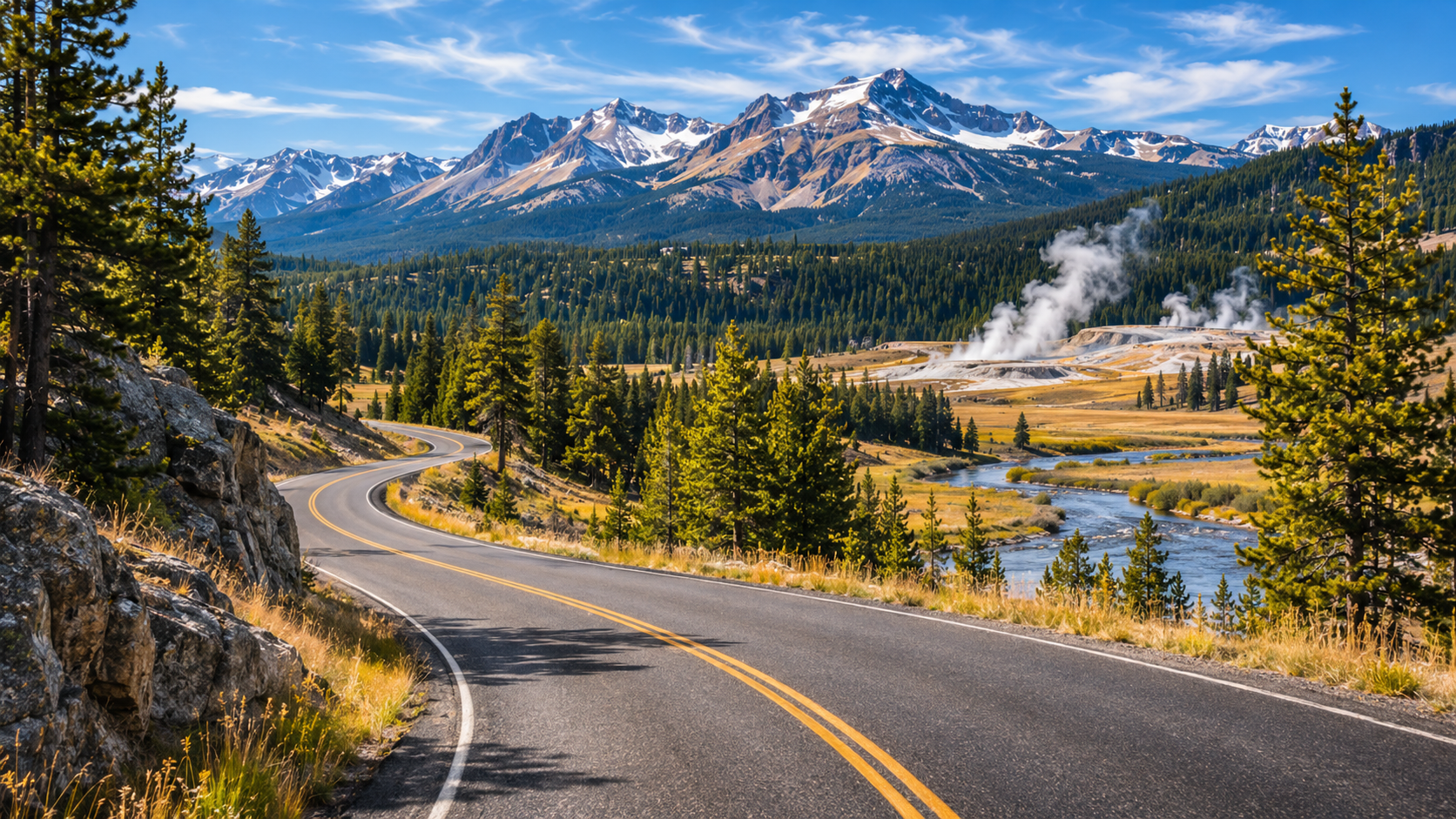
GRAND LOOP ROAD.
A section-by-section guide to the park's iconic drive.
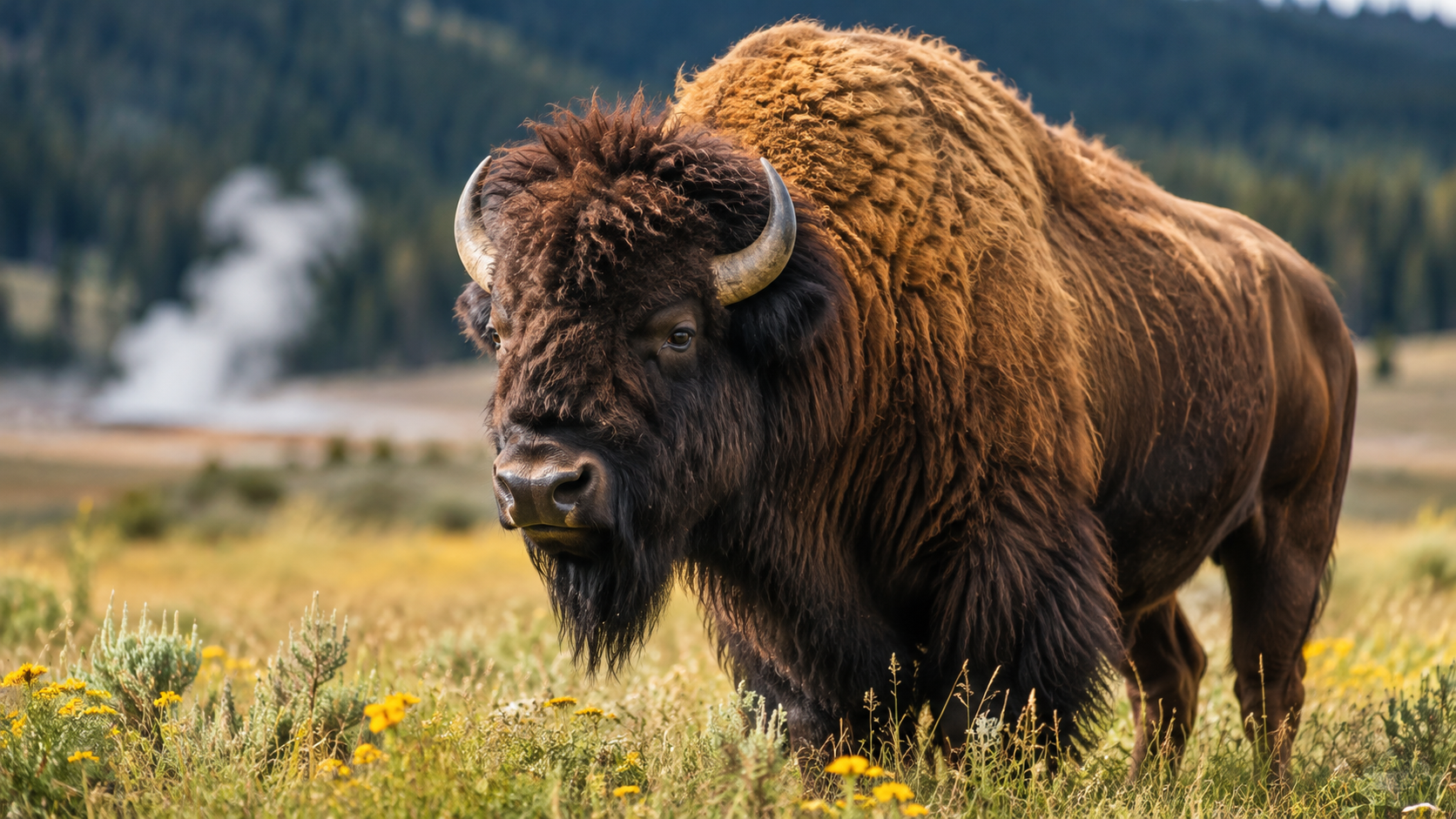
Where to see wildlife.
The best areas and times to spot Yellowstone's animals.
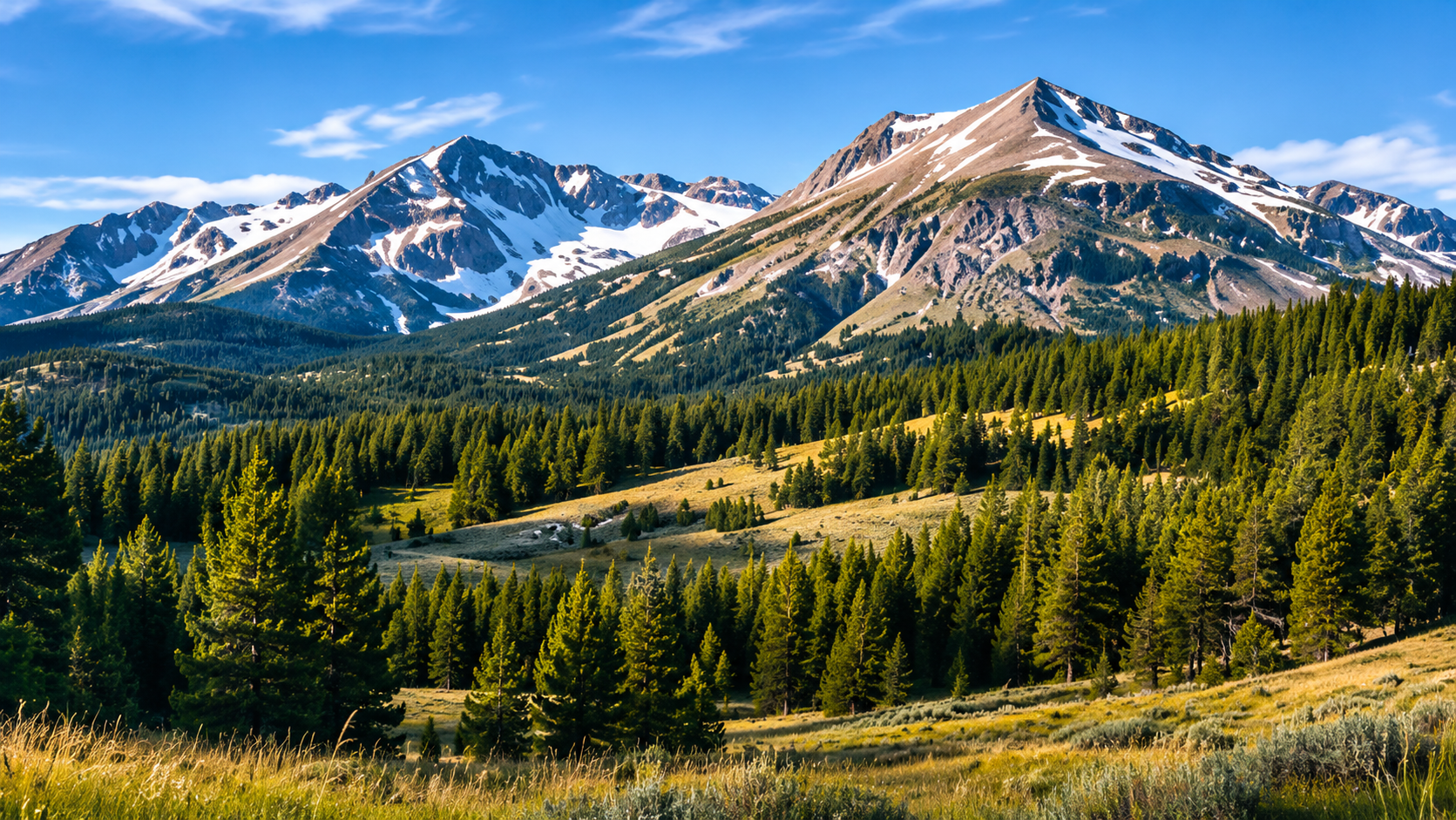
BOZEMAN to
yellowstone.
The best route, drive time, and tips for a smooth trip.
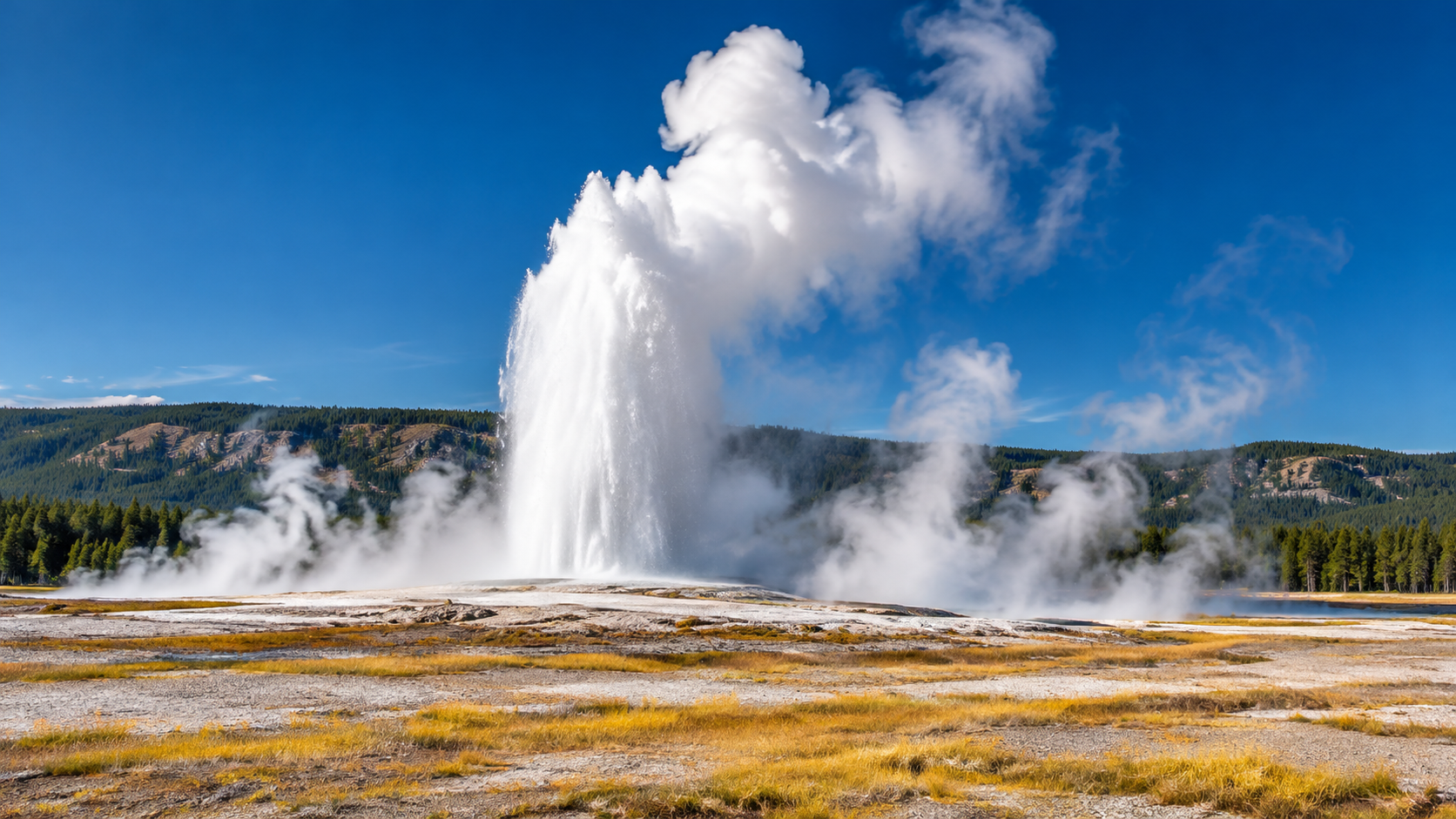
FAQs.
Answers to common Yellowstone questions.
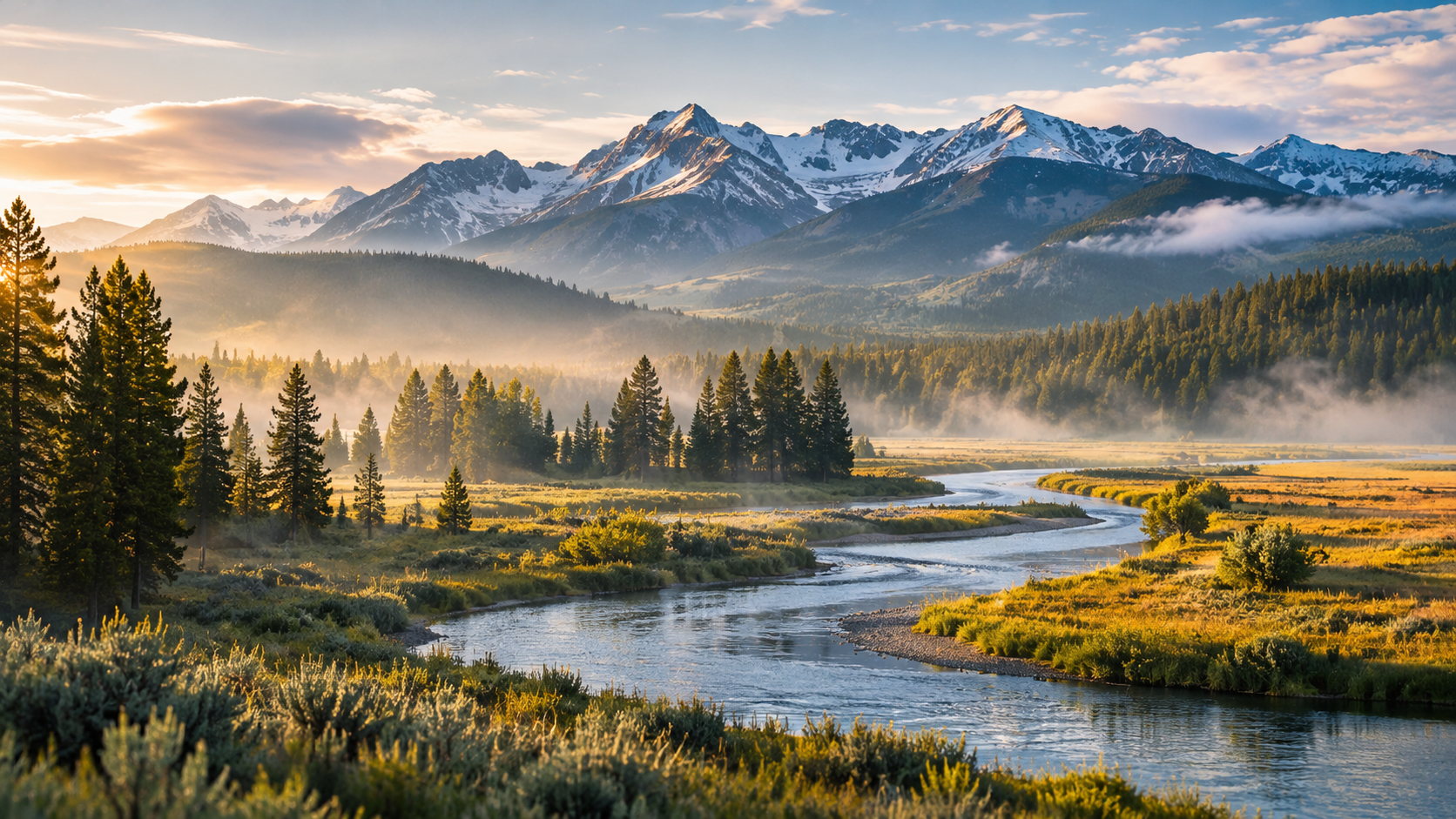
Best TIME TO VISIT.
Weather, crowds, and seasonal highlights.
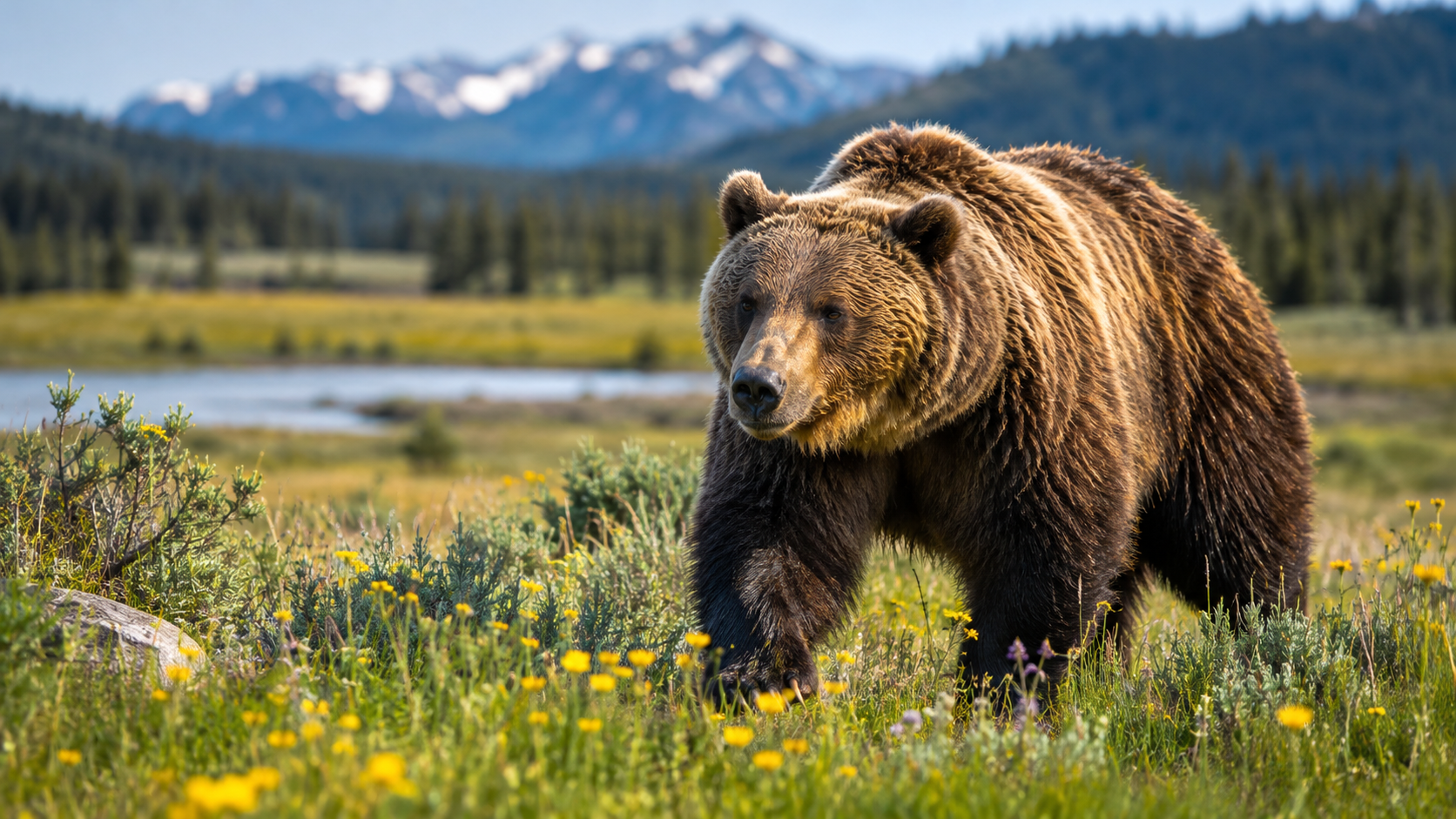
Bear & wildlife safety.
Stay safe, respect wildlife, and be a responsible visitor.
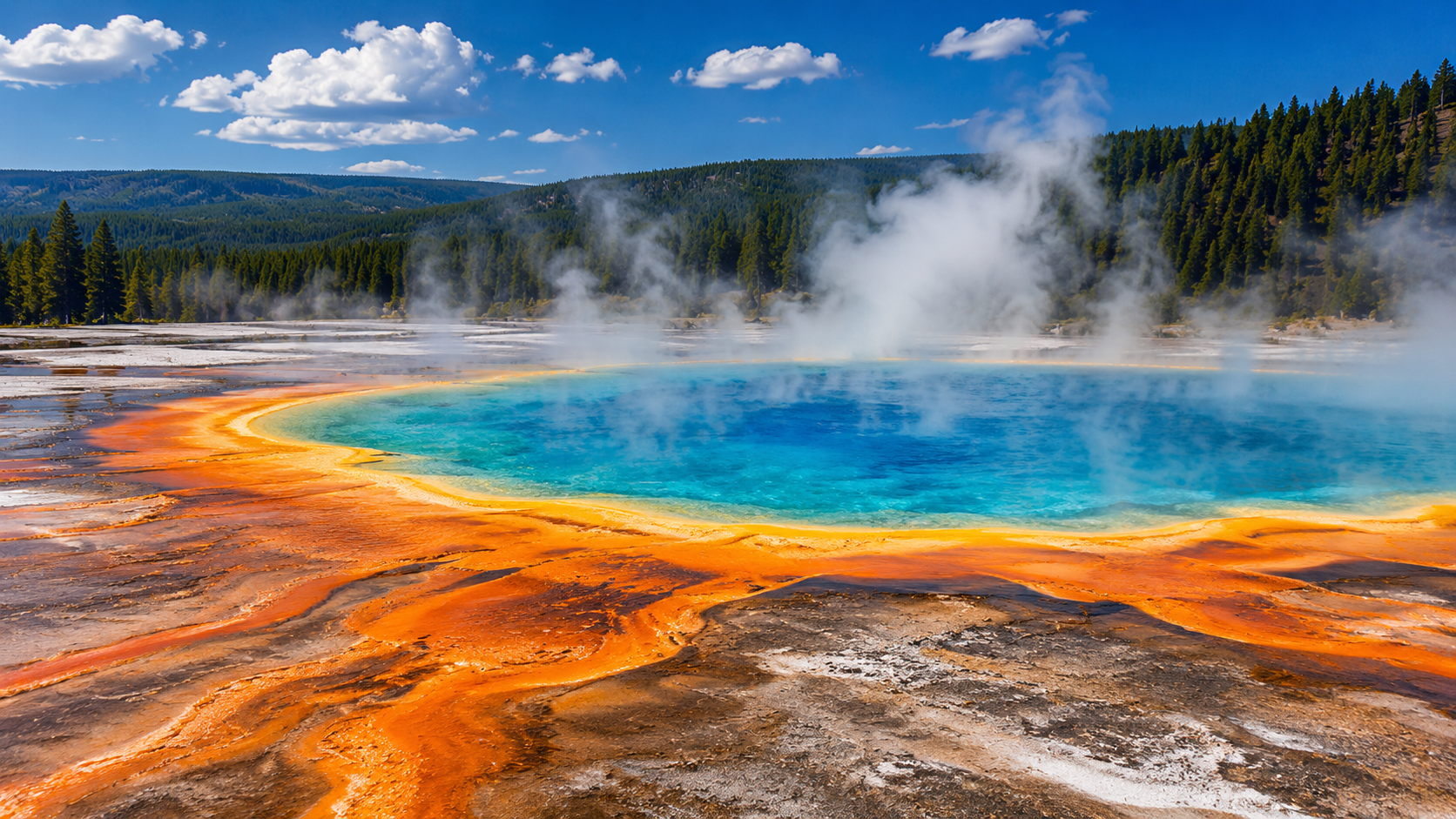
The volcano, explained.
The science behind Yellowstone's supervolcano.