
yellowstone’s volcano explained.
In brief.
Yellowstone sits on one of the largest active volcanic systems on Earth, and the geysers, hot springs and mudpots are its surface plumbing. The volcano has produced three enormous caldera-forming eruptions in the last 2.1 million years, the most recent about 631,000 years ago, and its last lava flow was about 70,000 years ago. It is not "overdue." The U.S. Geological Survey puts the annual odds of another caldera-forming eruption at roughly one in 730,000, and says the most likely future event is a lava flow or a hydrothermal explosion, not a continent-wide catastrophe. The real hazard to a visitor is the hot ground, which is why the boardwalks exist.
This page is one part of our full Yellowstone guide. It covers the volcano itself: what is underneath the park, the eruption record, the "overdue" question, earthquakes, how geysers and hot springs work, and why the ground in the thermal basins is the thing to respect. Where to walk among the geyser basins is in our Grand Loop page, and the safety rules for everything else in the park are in the bear and wildlife safety page.
Everything below comes from the Yellowstone Volcano Observatory, the consortium led by the USGS that monitors the park, and from the park's own geology pages. If you want to go deeper, the observatory publishes a weekly column called Caldera Chronicles that is the best plain-language writing on Yellowstone's geology anywhere.
What's underneath
The short version: a hot spot. A plume of unusually hot rock rises from deep in the mantle beneath this part of the continent, and as the North American plate drifts southwest over it, the hot spot leaves a trail of old calderas across Idaho's Snake River Plain. Yellowstone is where it sits now. The heat melts the crust above it into a magma reservoir a few miles down, and that reservoir heats groundwater, which rises to the surface as the thermal features. The USGS estimates that the shallow magma body is mostly solid, with only about 5 to 15 percent of it molten, well below what would be needed for an eruption.
The caldera itself, the collapsed crater of the last big eruption, is about 45 by 30 miles. You drive across it without noticing; the rim is a low, forested ridge in most places, and the floor holds the northern half of Yellowstone Lake, the Hayden Valley and the geyser basins. Two resurgent domes inside it, near Mallard Lake and Sour Creek, rise and fall by inches over years as magma and hot water move beneath them, which the observatory tracks with GPS.
That plumbing is what makes the park what it is. Yellowstone has more than 10,000 hydrothermal features. About 500 of those are geysers, which is more than half of all the active geysers in the world. The West Thumb of Yellowstone Lake is a separate, smaller caldera from an eruption about 174,000 years ago, and the lake itself has hot springs and vents on its floor, some of them among the hottest in the park; research with a submersible and sonar surveys has mapped hydrothermal vents, domes, spires and explosion craters under the water.
Three big eruptions, and a lot of smaller ones
The volcanic record here is a sequence of three caldera-forming eruptions: about 2.1 million years ago, which produced the Huckleberry Ridge Tuff and was the largest; about 1.3 million years ago, the Mesa Falls eruption, the smallest of the three; and about 631,000 years ago (often rounded to 640,000), the Lava Creek eruption, which formed the caldera you see today. Each one spread ash across much of western North America. Since the last one, the USGS counts about 80 smaller eruptions, nearly all of them lava flows that stayed within or near the caldera; the most recent, the Pitchstone Plateau flow in the park's southwest corner, was about 70,000 years ago.
"Is it overdue?"
No, and the USGS has been patient about explaining why. The popular idea that Yellowstone erupts on a schedule comes from averaging the two gaps between the three big eruptions. The observatory has done that arithmetic itself: the two intervals come to roughly 800,000 and 660,000 years, an average of about 730,000, and by its own reckoning "we are still about 90,000 years away from the time when we might consider calling Yellowstone overdue." More to the point, two intervals aren't a cycle, and volcanoes don't keep schedules. The USGS has published more than one estimate of the yearly probability of a caldera-forming eruption, all of them vanishingly small; one puts it at about one in 730,000, and the agency describes the chance as "exceedingly low." The current alert level is Normal.
What's more likely, if anything happens in human time, is one of two smaller events. A lava flow, like the roughly 80 that have happened since the last caldera eruption, would be slow and local, and the monitoring network is built to catch the warning signs ahead of it. A hydrothermal explosion, a steam blast when superheated water flashes to vapor, happens on a small scale somewhere in the park every year or so, often unnoticed. Large ones are rare but real: the Mary Bay crater on the north shore of Yellowstone Lake, about 13,800 years old and a mile and a half across, is the largest documented anywhere in the world. On July 23, 2024, a hydrothermal explosion at Biscuit Basin threw rock and mud onto the boardwalk in front of visitors and heavily damaged it; no one was hurt. A smaller explosion followed on June 13, 2026, and the basin remains closed.
Earthquakes
The ground shakes constantly. The observatory records somewhere between 1,000 and 3,000 earthquakes a year in the region, more than 99 percent of them too small to feel, and about half of them in swarms, clusters of small quakes in one place over days or weeks that are a normal feature of the system and not a sign of an eruption. The largest ever recorded inside the park was a magnitude 6.1 near Norris in 1975.
The largest in the region was the magnitude 7.3 Hebgen Lake earthquake northwest of West Yellowstone on the night of August 17, 1959, which killed 28 people, most of them in a landslide that dammed the Madison River and created Earthquake Lake, and which changed the park's geysers overnight: the USGS reports that at least 289 springs in the Firehole basins erupted the next day, 160 of them for the first time on record. It also made a geyser. A fracture that opened in the Upper Geyser Basin during the quake became a fumarole and then, about two and a half years later, a small geyser, now called Seismic. The Earthquake Lake Visitor Center, 27 miles northwest of West Yellowstone on U.S. 287 and open from late May to mid September, tells that story well.
How geysers work
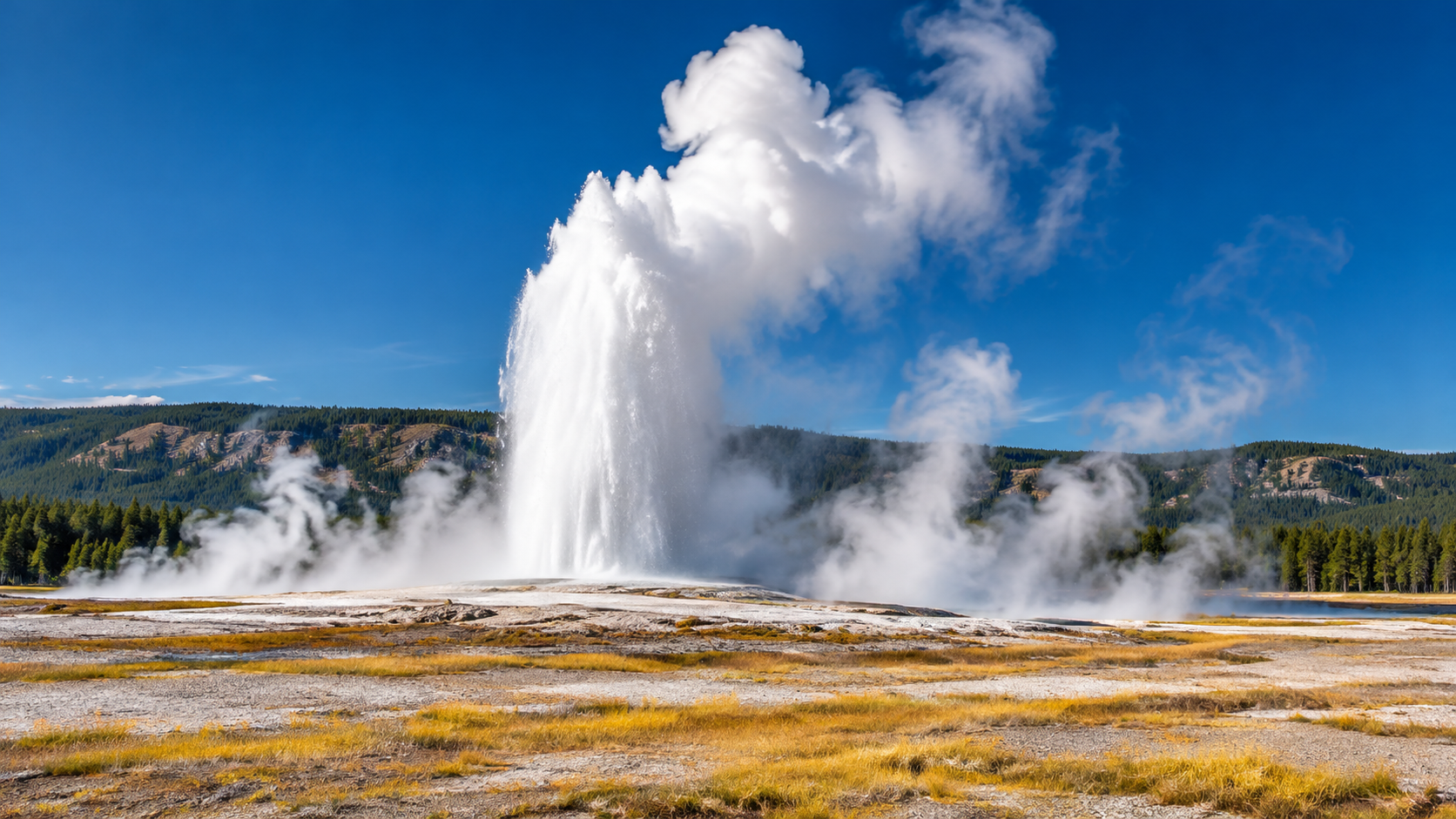
A geyser needs three things: a heat source, plenty of water, and a constricted plumbing system that lets pressure build. Water in the underground channels heats past the surface boiling point without boiling, because of the pressure of the water above it; when some of it finally flashes to steam, it forces the water above it out, the pressure drops, and the whole column boils at once. At this elevation the surface boiling point is about 199°F, and the hot springs often reach it.
Old Faithful is predictable because its plumbing is relatively simple and stable. Its eruptions as of early 2026 come about 102 minutes apart, give or take a dozen, with intervals anywhere from 54 to 118 minutes. The rangers forecast it from the length of the previous eruption, and about 90 percent of those predictions land within ten minutes either way; the predictions are posted at the visitor center, the lodges and in the park's app. Most geysers aren't that regular.
The tallest active geyser on Earth is not Old Faithful. It's Steamboat, at Norris, whose major eruptions top 300 feet; the intervals between them have run from days to decades, and 2018 and 2019 each saw dozens. Old Faithful is famous for being predictable, not for being big. Norris is also where the park's hottest temperature has been measured, 459°F, in a scientific drill hole 1,087 feet down.
Why the colors
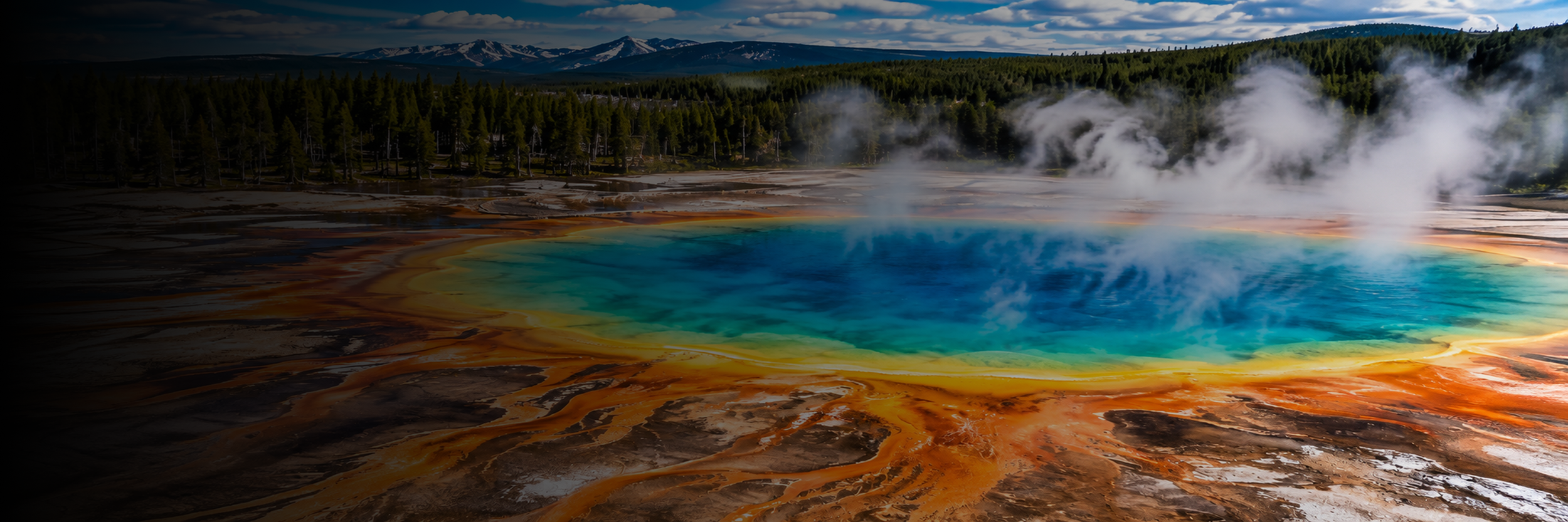
The colors are life. The deep blue of a hot spring is the water itself, scattering blue light the way deep water does, and the clearest, bluest pools are the hottest, too hot for the colorful mats to grow. As the water flows out and cools, heat-loving microbes called thermophiles colonize it in bands, each species at its own temperature: the orange, yellow and brown rings around Grand Prismatic, the park's largest hot spring at some 300 feet or more across, are mats of these organisms.
The basins don't all look alike, and the chemistry is why. The park's description of Norris is that it is "the hottest, oldest, and most dynamic of Yellowstone's thermal areas." It sits where major faults meet, close to the caldera rim, and nearly all of its water is acidic rather than alkaline, which favors different microbes and dissolves rock differently from the Old Faithful basins. Mammoth looks different again because its water rises through limestone and deposits travertine instead of the silica sinter found elsewhere.
One of those microbes turned out to matter more than anyone imagined. In 1966 Thomas Brock, a microbiologist on a National Science Foundation grant, pulled a sample from Mushroom Pool in the Lower Geyser Basin and found a bacterium living at temperatures where nothing was supposed to survive. He named it Thermus aquaticus. Two decades later, scientists developing the polymerase chain reaction, the technique that copies DNA, needed an enzyme that could stand up to repeated heating, and found it in Brock's bacterium: Taq polymerase. PCR won Kary Mullis a Nobel Prize in 1993, underlies DNA fingerprinting and medical testing, and Science magazine named Taq its first "Molecule of the Year" in 1989. The park never received a dollar from it, which is why it now has benefits-sharing agreements with researchers.
The hazard that actually hurts people
Not the volcano. The water. In the thermal basins the ground is a thin crust over boiling, often acidic water, and it breaks. The park's warning is two sentences long: "The thin ground in these areas breaks easily, and often overlies scalding water. Stay on the trail." More than twenty people have died in Yellowstone's hot springs since the park was established. Most of the thermal injuries the park reports involve someone who stepped off a boardwalk or a trail, often by only a few steps. The boardwalks are not there to keep you from a good photograph. They're there because the ground next to them has killed people. In the backcountry thermal areas, where there are no boardwalks, the rule is the same: stay on the trail, and if there's no trail, stay out.
A few practical rules follow from that. There is no swimming or soaking in any thermal feature; the water in the park's hot springs often reaches the boiling point, and at Norris it is acidic as well. Keep children within arm's reach on boardwalks. Pets are not allowed in thermal areas at all. On a still day some basins collect gases that can make you dizzy; if that happens, walk out. The one river spot where hot water mixed with cold, the Boiling River near Mammoth, has been closed since the 2022 flood changed the river. The Firehole Swim Area on Firehole Canyon Drive is a cold-water river swim, not a hot spring, and it usually stays closed for high water until mid summer; check the park's swimming page for current status.
Questions people ask us about the volcano
Is Yellowstone going to erupt? Not in any time frame worth worrying about. The U.S. Geological Survey puts the annual chance of a caldera-forming eruption at about one in 730,000 and says the most likely future event is a hydrothermal explosion, with a lava flow the most likely volcanic one; both would be local. The alert level is Normal.
When did Yellowstone last erupt? The last caldera-forming eruption was about 631,000 years ago, the Lava Creek eruption, which formed the present caldera. The last lava flow was about 70,000 years ago.
Is the Yellowstone volcano overdue? No. The "overdue" idea comes from averaging the two intervals between three eruptions, which gives roughly 725,000 to 730,000 years, longer than the 631,000 since the last one; and in any case two intervals don't make a schedule. The USGS has said this repeatedly.
Can you swim in the hot springs? No. Entering any thermal feature is illegal and can be fatal; the water is near boiling and in some basins acidic. The Boiling River near Mammoth, where hot water once mixed with the river, has been closed since the 2022 flood. The Firehole Swim Area on Firehole Canyon Drive is a cold-water river spot that opens in summer once the water drops; check the park's swimming page for current status.
How hot is the water in the geysers? Near or above boiling at the surface, which at this elevation is about 199°F. Norris, the hottest basin, has measured 459°F in a research well about 1,100 feet down. Even the "cooler" runoff channels can burn.
Why is Grand Prismatic so colorful? The blue center is hot, clear water scattering blue light; it's too hot for visible life. The orange, yellow and brown rings are mats of heat-loving microbes, each community living at the temperature it prefers as the water cools toward the edges.
How often does Old Faithful erupt? About every 100 minutes on average, anywhere from roughly 55 to 120, depending on the length of the previous eruption. Rangers post predictions at the visitor center, the lodges and in the park's app, give or take about ten minutes.
Are there earthquakes in Yellowstone? Constantly. The region records between 1,000 and 3,000 a year, more than 99 percent of them too small to feel, many in swarms. They're a normal part of the system. The last large one in the area was the magnitude 7.3 Hebgen Lake earthquake just outside the park in 1959.
Yellowstone in One Day.
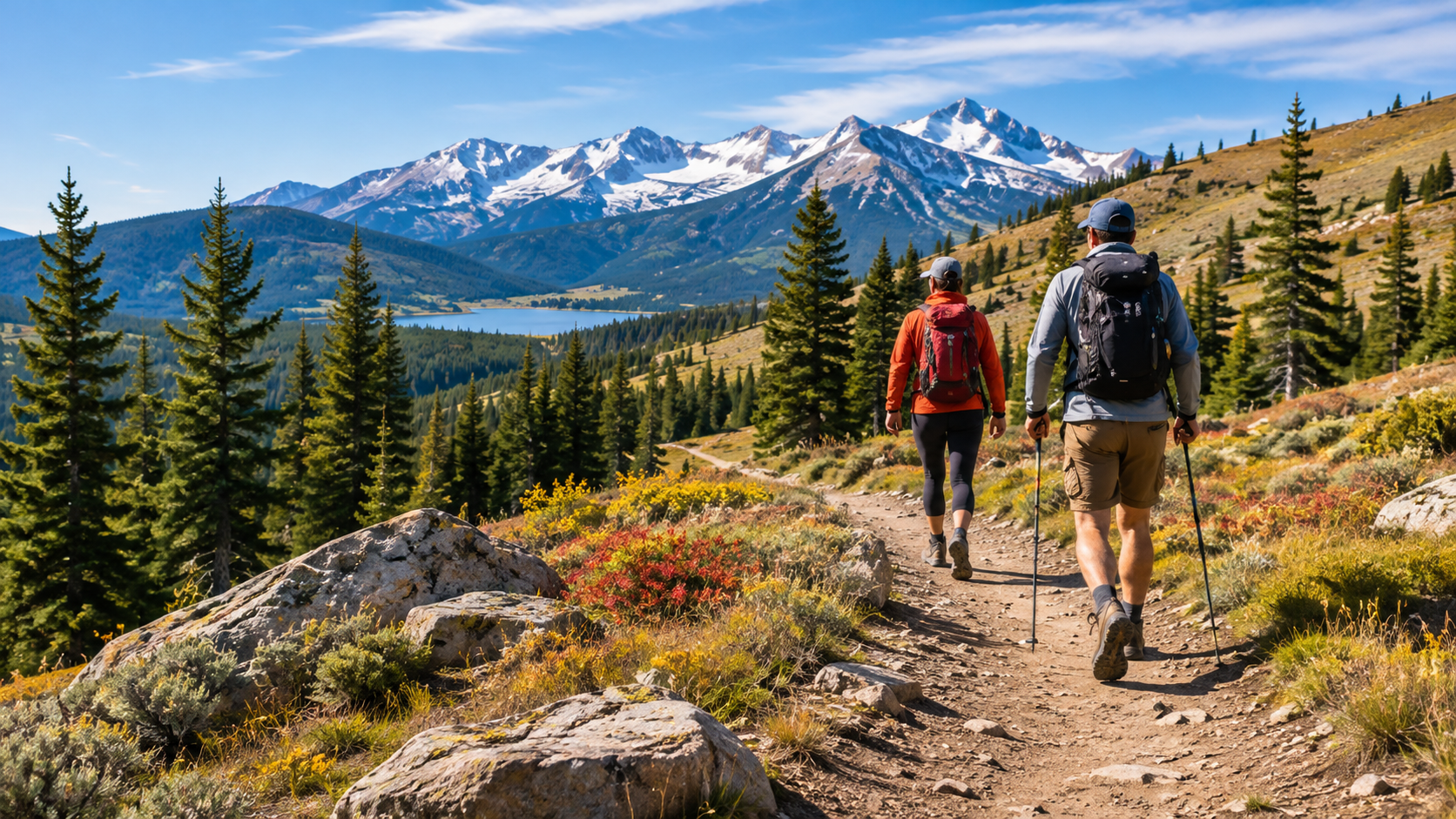
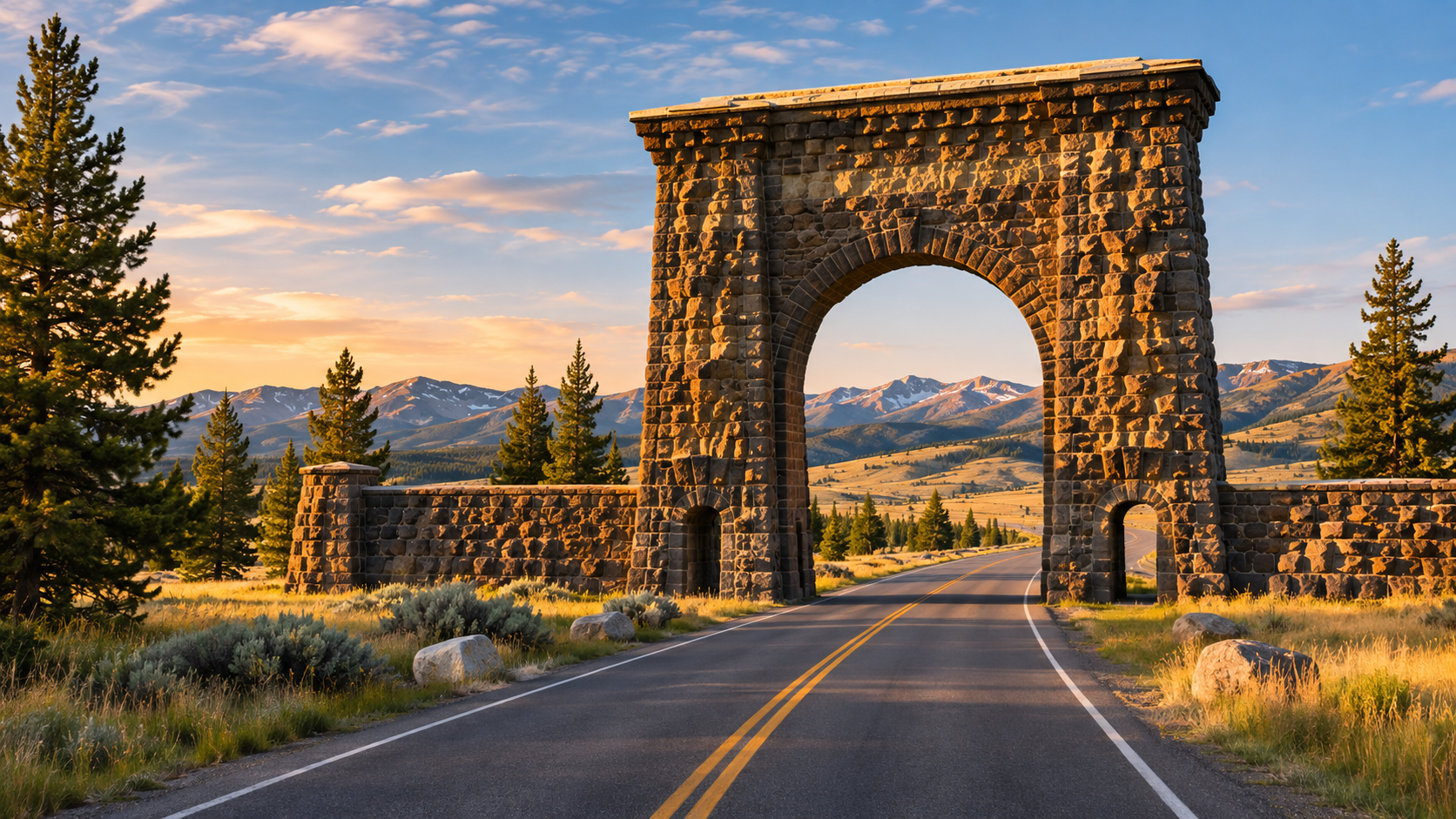
Make the most of a day in the park from any entrance.
GRAND LOOP ROAD.
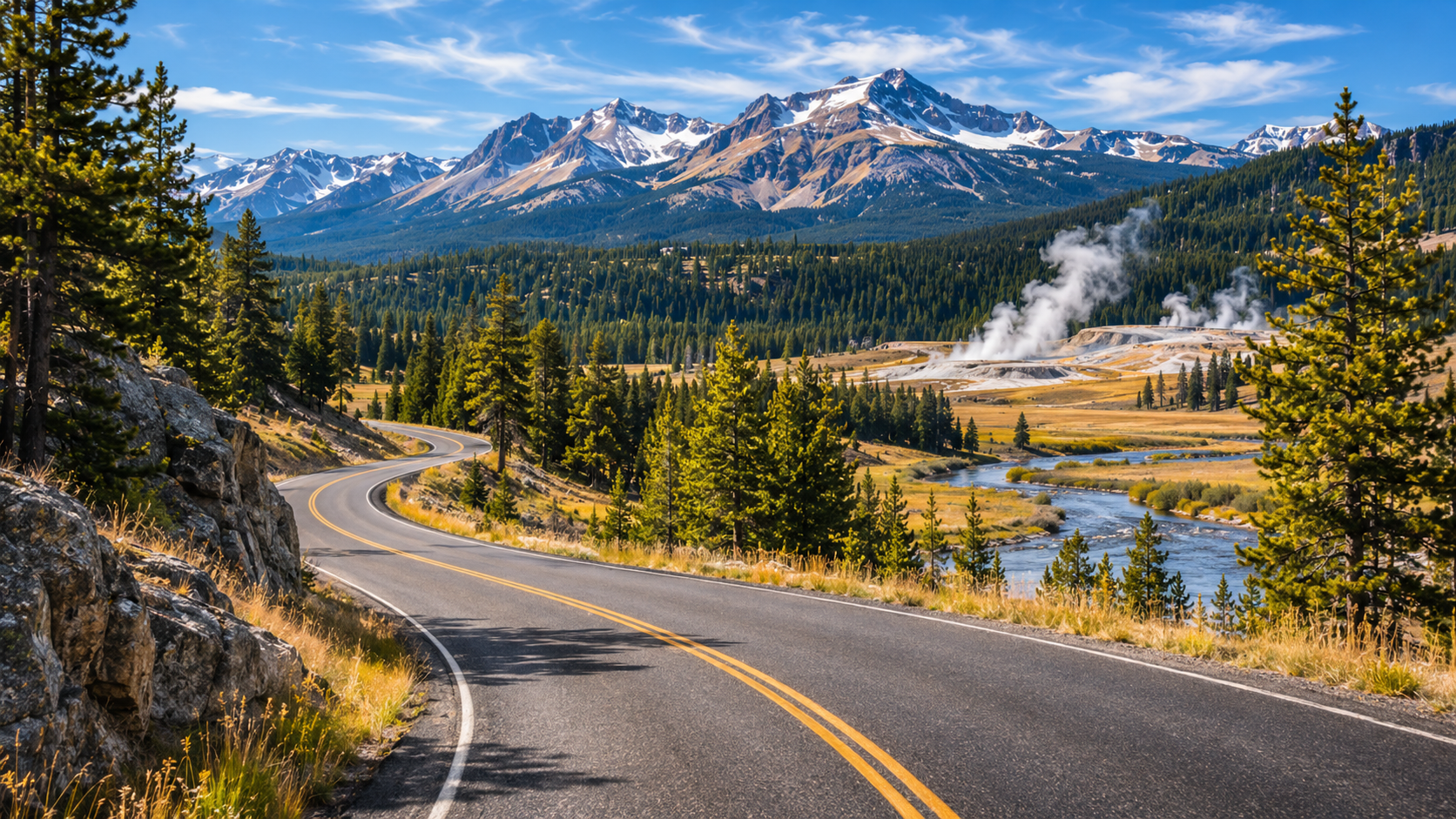
A section-by-section guide to the park's iconic drive.
Where to see wildlife.
The best areas and times to spot Yellowstone's animals.
BOZEMAN to
yellowstone.
The best route, drive time, and tips for a smooth trip.
FAQs.
Answers to common Yellowstone questions.
Best TIME TO VISIT.
Weather, crowds, and seasonal highlights.
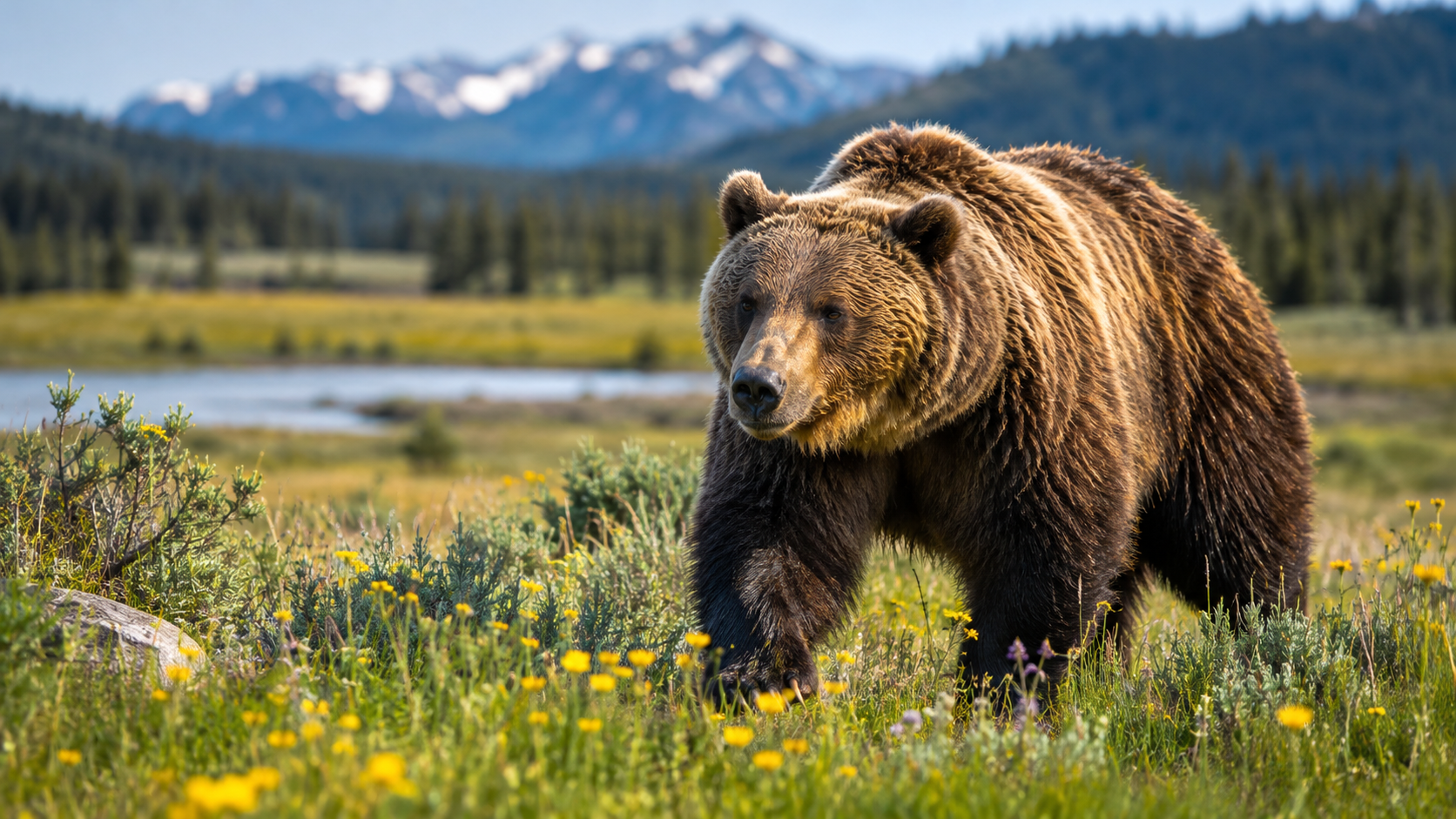
Bear & wildlife safety.
Stay safe, respect wildlife, and be a responsible visitor.
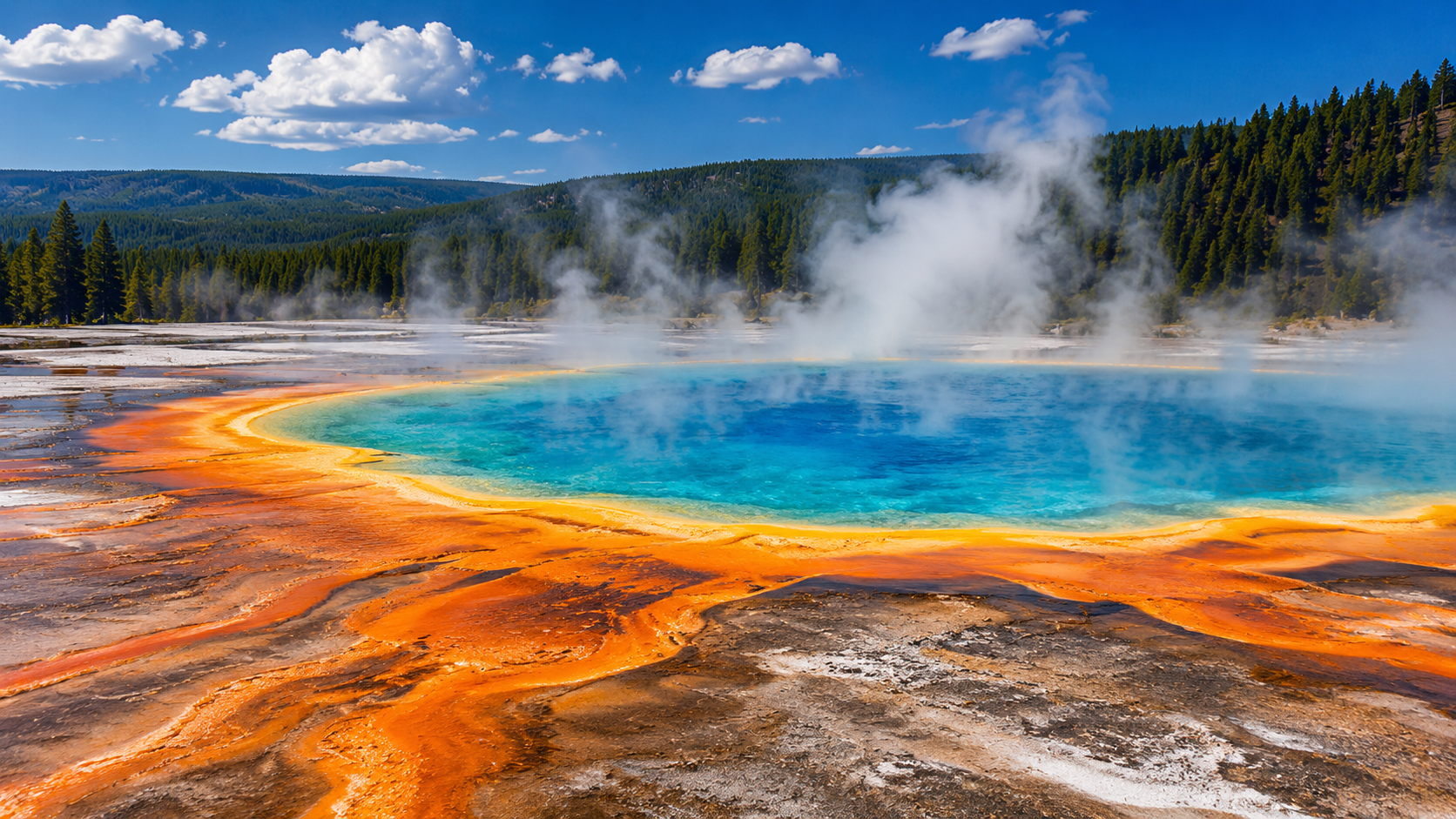
The volcano, explained.
The science behind Yellowstone's supervolcano.