
Bozeman to yellowstone: routes, entrances and what to know.
In brief.
Bozeman sits between Yellowstone's two Montana entrances. The North Entrance at Gardiner is about 80 miles south by way of Livingston and Paradise Valley, roughly an hour and a half of driving. The West Entrance at West Yellowstone is about 90 miles by way of Gallatin Canyon and Big Sky, closer to two hours. Go north for wildlife and for any visit between November and mid April, when it is the only entrance you can drive to from outside the park. Go west for the geyser basins and Old Faithful. If you're flying in, Bozeman Yellowstone International is the busiest airport in Montana, and bear spray can't go on the plane in either direction, so plan to buy it after you land.
This page is one part of our full Yellowstone guide, which covers the park season by season, area by area, and trail by trail. Here we stick to the drive: how to get there from Bozeman, what each entrance opens onto, what the other three entrances are for, and a few road facts that apply anywhere in the park.
Why Bozeman is where most Yellowstone trips start
The reason is simple geography. The airport has year-round commercial service, and the park's two Montana entrances are each less than two hours away in opposite directions. That makes it possible to stay in town and drive into the park for the day, or to enter at one Montana gate and leave by the other, which covers most of the park's road system with no backtracking. Five airports near the park have year-round airline service, according to the Park Service: Bozeman, Billings, Cody, Jackson and Idaho Falls. West Yellowstone's small airport adds seasonal flights to Salt Lake City from early May to mid October. There is no train. A bus runs from Bozeman to West Yellowstone all year, and commercial shuttles connect Bozeman and Gardiner in summer and winter.
The one thing to settle before you leave town
Bear spray is not allowed on airplanes at all, in carry-on or checked bags. The TSA lists it as a hard no in both. So if you've flown in, you don't have it, and you'll want it for any walk off the boardwalks. Most outdoor shops in Bozeman, including ours, carry it, as do stores in the gateway towns, and an authorized concessioner, Bear Aware, rents it inside the park from kiosks at Canyon and Old Faithful. How to carry and use it is covered in our bear and wildlife safety page.
The North Entrance: Bozeman to Gardiner through Paradise Valley
Head east on Interstate 90 to Livingston, about 25 miles, then south on U.S. 89 for just over 50 miles through Paradise Valley to Gardiner. The valley is wide and open, with the Absaroka Range on your left, the Gallatin Range on your right and the Yellowstone River running down the middle. It's one of the better drives in Montana, and it's also the one that stays open in winter, though it can be icy and the wind through the valley is real.
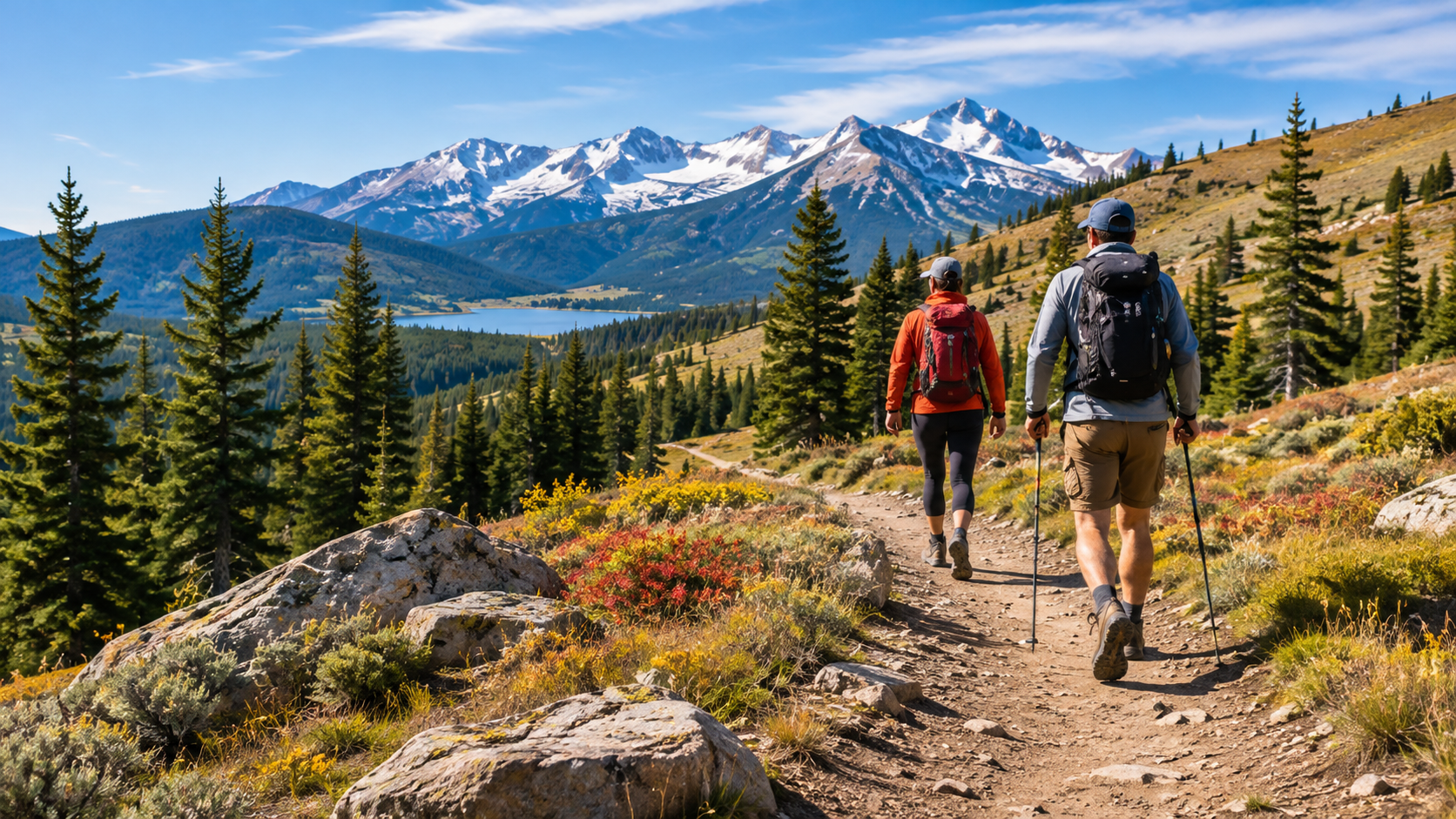
Gardiner is a small town right at the park boundary; the Roosevelt Arch is at the edge of it. From the entrance station it's about 15 minutes up to Mammoth Hot Springs, where the park headquarters, the Albright Visitor Center and the terraces are.
The road you'll drive between Gardiner and Mammoth is not the original one. The June 2022 flood on the Gardner River destroyed much of the old North Entrance Road in the canyon, and the park reopened access that October along the Old Gardiner Road, the park's original entrance road from 1879, which was rebuilt as two paved lanes in about four months. It climbs steeply with sharp curves and speed limits of 15 to 25 mph. The park sets no length or weight limit on it, but says oversized vehicles and anything towing a trailer need to take the curves with care to stay in their lane. In September 2026 the Park Service approved a route for a permanent replacement road; construction hasn't started, and the current road stays in use until the new one is built.
From Mammoth you're on the upper loop. Tower-Roosevelt is about 40 minutes east, and the Lamar Valley is beyond that on the way to the Northeast Entrance. Norris is about 45 minutes south. This is the entrance for wildlife, for the northern range in any season, and for anyone visiting between November and mid April. Our one-day itinerary from this gate is in the one-day page.
The West Entrance: Bozeman to West Yellowstone through Gallatin Canyon
Take U.S. 191 south out of Bozeman, through Four Corners and into Gallatin Canyon. The road follows the Gallatin River for most of 90 miles, past Big Sky, and briefly cuts through the northwest corner of the park itself before reaching West Yellowstone. The canyon is narrow and the road is two lanes with limited passing; in summer it's busy with traffic to Big Sky and the park, and in winter it's a mountain road with all that implies. Allow two hours, and more if you're driving anything large.
West Yellowstone is a bigger gateway than Gardiner, with more lodging, restaurants and outfitters, and it's one of the main bases for winter snowcoach and snowmobile trips into the interior. From the entrance station it's about 30 minutes along the Madison River to Madison Junction, where you join the lower loop. Old Faithful is another 35 to 45 minutes south; Norris is about 30 minutes north. This is the entrance for the geyser basins, and the one most people use when their goal is Old Faithful and Grand Prismatic. It's closed to regular vehicles from early November until mid April.
Several of the trails on the stretch of 191 inside the park, including the Bacon Rind trail into the Lee Metcalf Wilderness, start right off the highway. They're worth knowing about if you want a hike on the way rather than in the crowded interior; the Custer Gallatin National Forest describes them on its site.
Which Montana entrance should you use?
If you have one day and want geysers, go west. If you have one day and want animals, go north. If you have two or more days, the classic plan from Bozeman is to enter at one and leave by the other, which covers the whole upper loop and most of the lower loop with no backtracking. In winter, or in April, or after the first of November, the question answers itself: only the North Entrance is open to cars from outside the park.
A note on the Northeast Entrance for winter planners. The road from Gardiner through Mammoth and the Lamar Valley to Cooke City is plowed all year, so the Northeast Entrance is technically open in winter. But the highways beyond Cooke City close for the season, so that end is a dead end reached only through the park. For a visitor from Bozeman that is a feature, not a problem: the plowed road through the Lamar is the winter park, and Cooke City is a good place to turn around.
The other three entrances
The Northeast Entrance at Cooke City and Silver Gate, Montana, is reached from the park side through the Lamar Valley, about an hour from Tower Junction. From outside, it's the top of the Beartooth Highway, U.S. 212, which climbs over 10,000 feet between Cooke City and Red Lodge and is one of the great mountain drives in the country. The highway typically opens the Friday of Memorial Day weekend and closes in mid October; the Montana Department of Transportation closes it each winter, and the park advises checking both the Montana and Wyoming road reports.
The East Entrance is on U.S. 14-16-20 from Cody, Wyoming, over Sylvan Pass to Yellowstone Lake, about an hour from the entrance to Lake Village. It's open to cars from early May through October 31 and is the natural entrance for anyone coming from Cody or from the Bighorn country to the east.
The South Entrance connects the park to Grand Teton National Park and Jackson, Wyoming, on U.S. 89-191-287. From the entrance it's about 50 minutes to Grant Village and the West Thumb of Yellowstone Lake. It's open to cars from early to mid May through October 31. Many people combine the two parks on one trip through this entrance.
A few road facts that apply everywhere
The speed limit in the park is 45 miles per hour unless posted lower, and the Park Service's drive-time estimates assume that and no stops. Those estimates are worth copying down: West Entrance to Madison, 30 minutes; Madison to Old Faithful, 35 to 45; North Entrance to Mammoth, 15; Mammoth to Norris, 45; Northeast Entrance to Tower, 60; East Entrance to Lake Village, 60; South Entrance to Grant Village, 50. Add them all up and the full Grand Loop comes to about six or six and a half hours of driving with no stops, which is why a day that tries to see everything is a day spent looking through a windshield. In practice, a bison herd on the road or a bear in a meadow can add an hour, and road work can add more.
Cell service is limited to a few developed areas, so download maps before you go, or carry a paper one. RVs over 75 feet are not allowed. And the Park Service posts current road conditions and a text alert service on its website, which is worth checking the morning you drive in, in any month of the year.
Questions people ask us about the drive
How far is Yellowstone from Bozeman? About 80 miles to the North Entrance at Gardiner, roughly an hour and a half through Livingston and Paradise Valley. About 90 miles to the West Entrance at West Yellowstone, closer to two hours through Gallatin Canyon.
Which entrance is best from Bozeman? North for wildlife, Mammoth and the Lamar Valley, and for any visit from November through mid April. West for the geyser basins and Old Faithful. With two days, enter at one and leave by the other.
Can you do Yellowstone as a day trip from Bozeman? Yes. Many people stay in Bozeman and drive in for the day. Pick one entrance and the part of the park it opens onto, leave early, and don't try to reach the far side of the loop. Our one-day itineraries are built for exactly this.
Which Yellowstone entrance is open year round? The North Entrance at Gardiner is the only one you can drive to from outside the park in winter. The road from there through Mammoth and the Lamar Valley to Cooke City is plowed all year, but the highways beyond Cooke City close for the season. The West, South and East entrances close to cars from about November 1 to mid April or later.
What is the drive like through Paradise Valley? Through Gallatin Canyon? Paradise Valley, on U.S. 89 to Gardiner, is wide, open and scenic, with the Yellowstone River alongside; it's open in winter but can be icy and windy. Gallatin Canyon, on U.S. 191 to West Yellowstone, is a narrow two-lane mountain road along the river past Big Sky, busy in summer and a winter mountain drive the rest of the year.
Can I fly into Bozeman with bear spray? No. The TSA prohibits bear spray in both carry-on and checked baggage. Buy it after you land; outdoor shops in Bozeman, including ours, and stores in the gateway towns carry it, and Bear Aware rents it from kiosks at Canyon and Old Faithful.
Is there a shuttle or tour from Bozeman? Yes. Bus service runs year round from Bozeman to West Yellowstone, commercial shuttles run to Gardiner in summer and winter, and several authorized tour companies run day trips into the park from Bozeman and Big Sky. The park lists authorized operators.
Yellowstone in One Day.
Make the most of a day in the park from any entrance.
GRAND LOOP ROAD.
A section-by-section guide to the park's iconic drive.
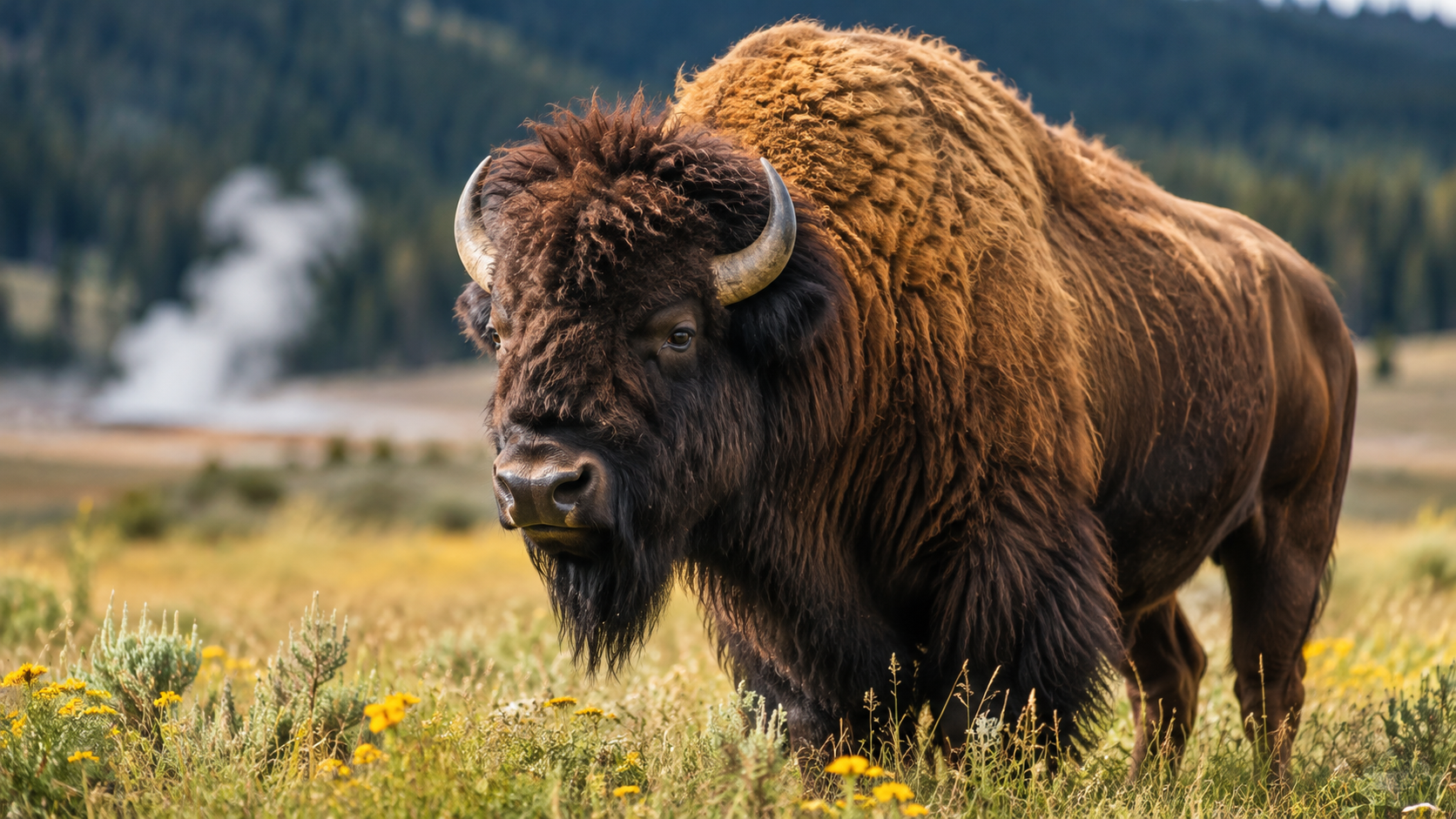
Where to see wildlife.
The best areas and times to spot Yellowstone's animals.
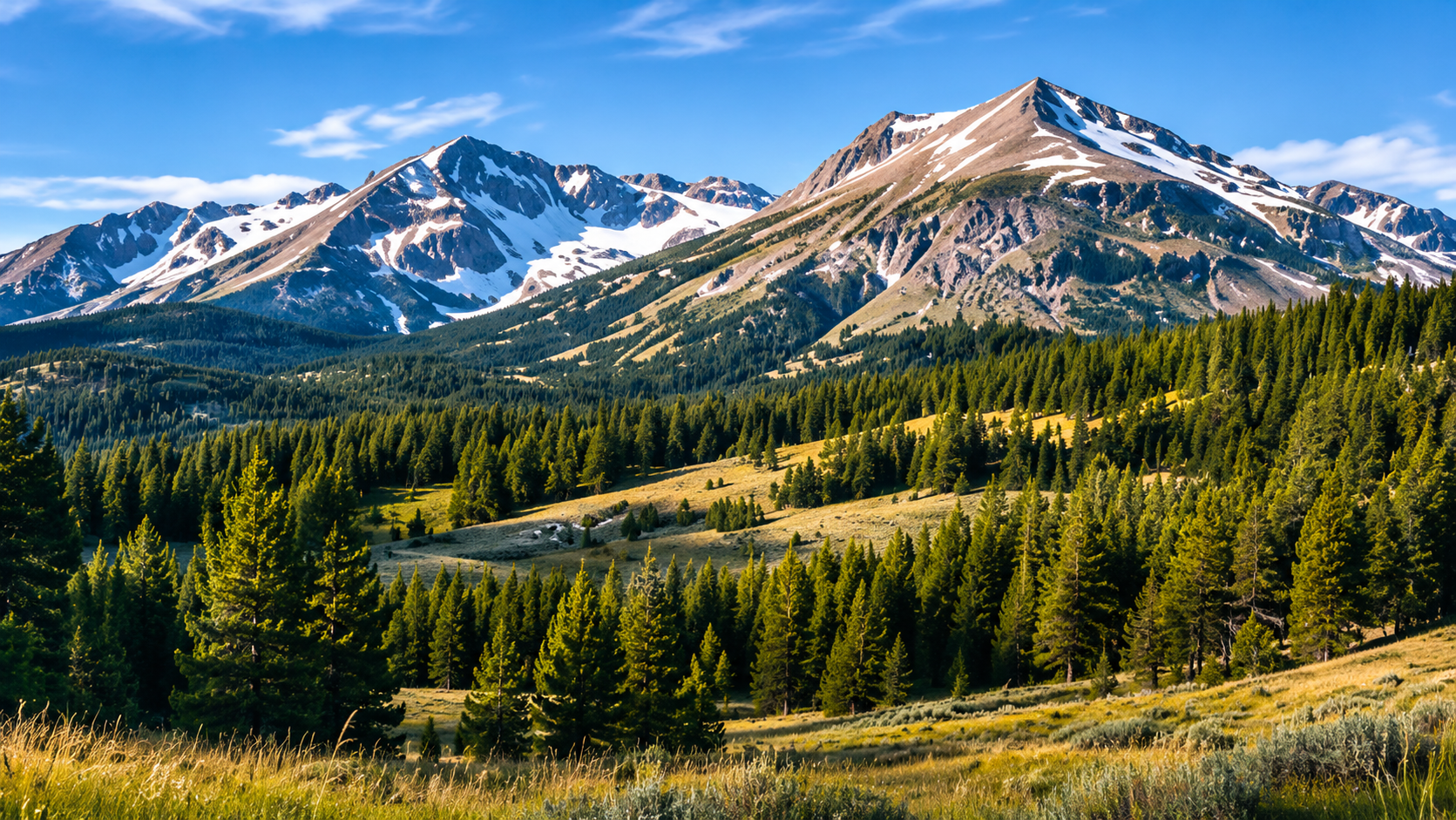
BOZEMAN to
yellowstone.
The best route, drive time, and tips for a smooth trip.
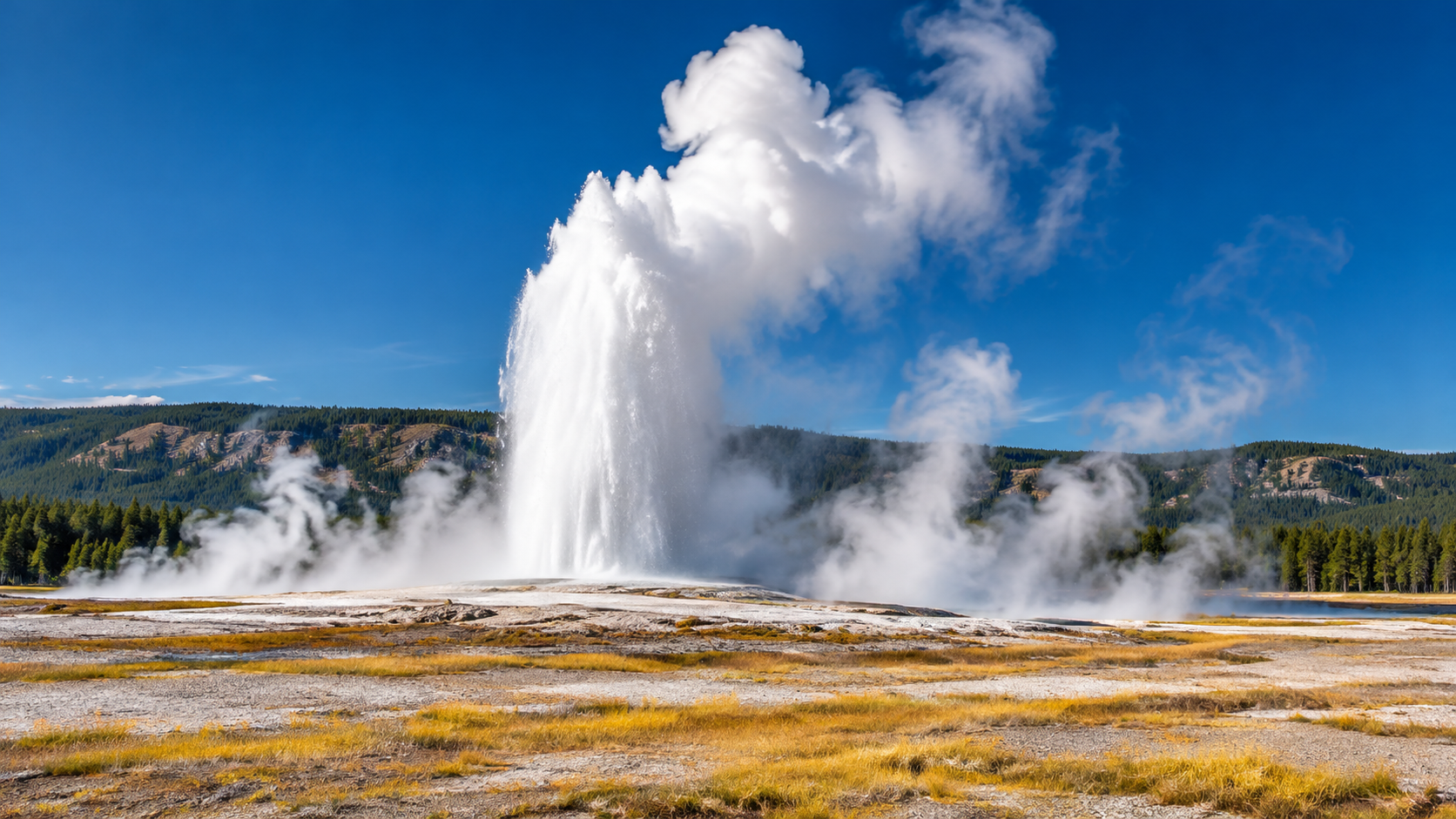
FAQs.
Answers to common Yellowstone questions.
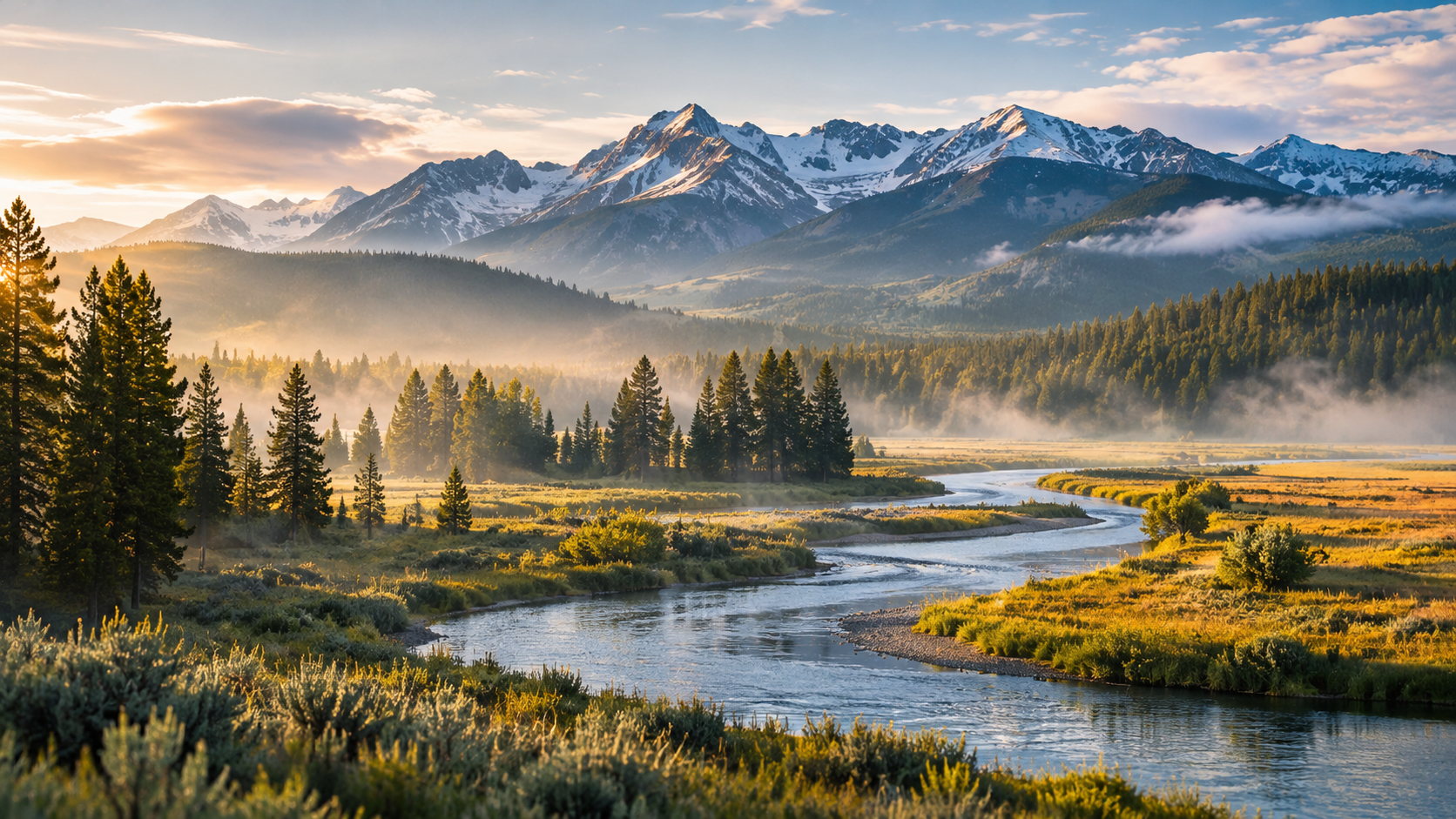
Best TIME TO VISIT.
Weather, crowds, and seasonal highlights.
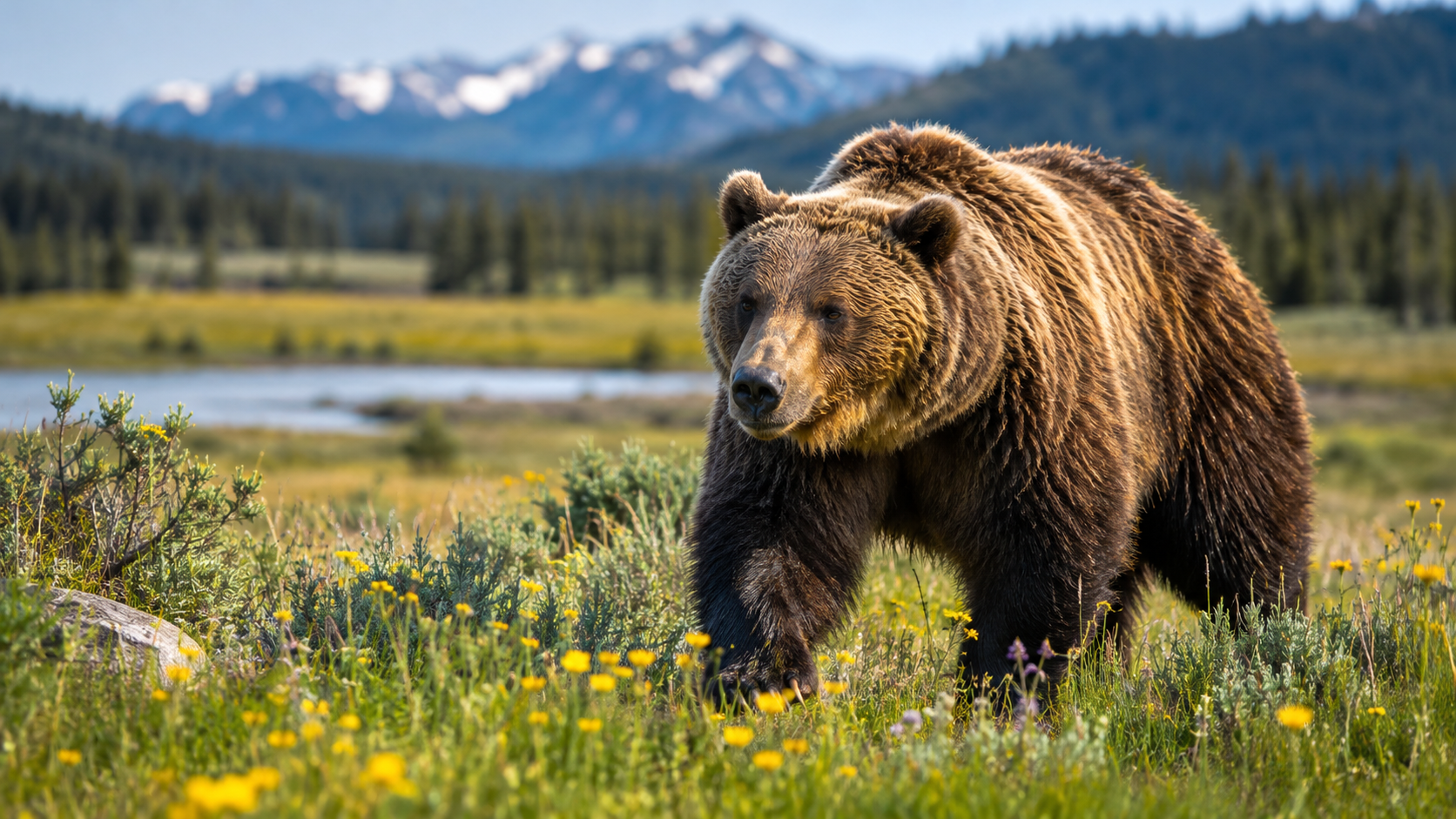
Bear & wildlife safety.
Stay safe, respect wildlife, and be a responsible visitor.
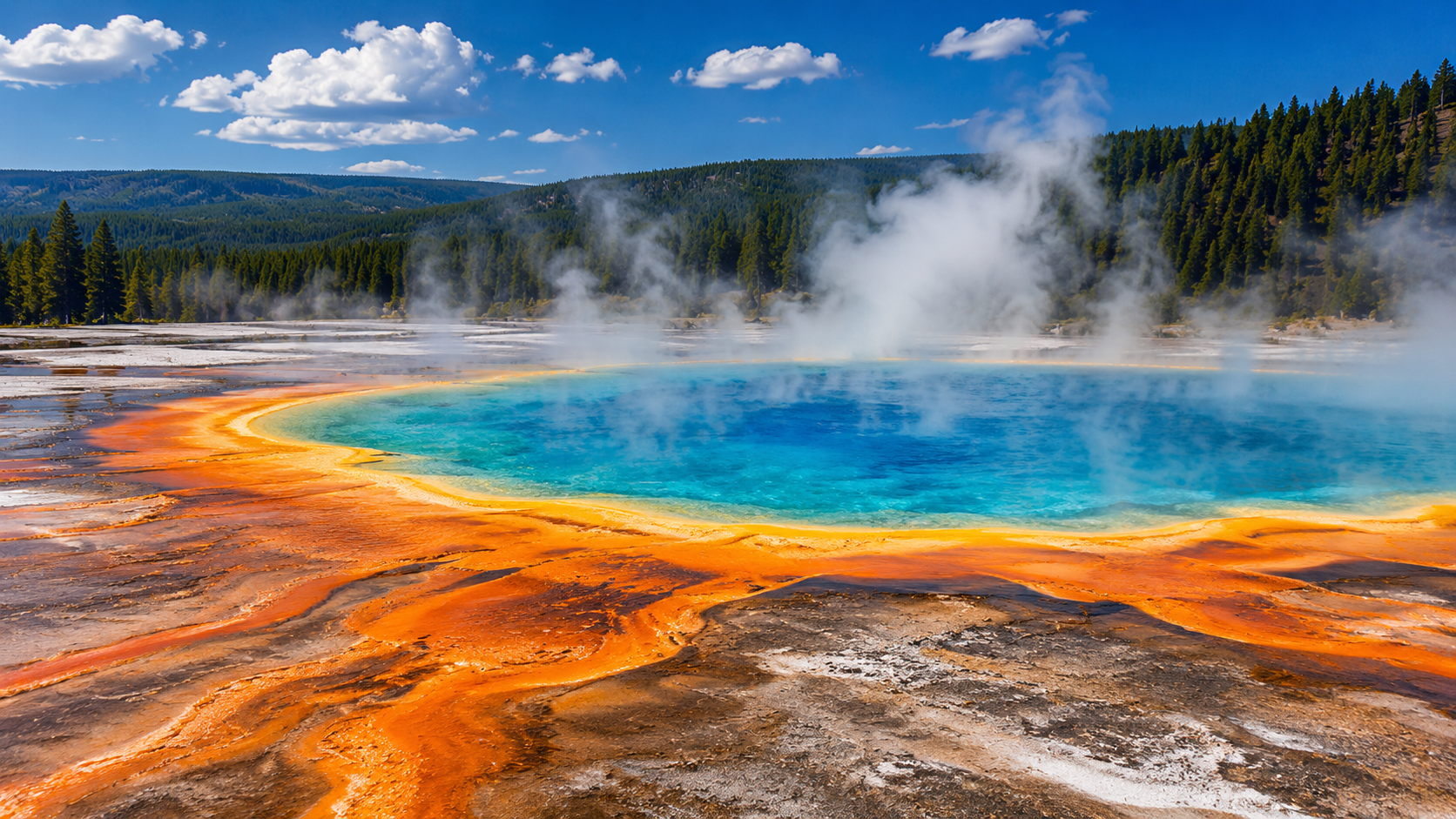
The volcano, explained.
The science behind Yellowstone's supervolcano.